Wood Species
Explore the color, grain, feel, and best uses of 12 popular wood species used in custom live edge tables, bar tops, countertops, islands, desks, mantels, and statement furniture. From the rich depth of walnut to the clean brightness of maple, the bold grain of ash, and the artistic color of boxelder, each species brings its own personality to the finished piece.
Ash
Color & Character
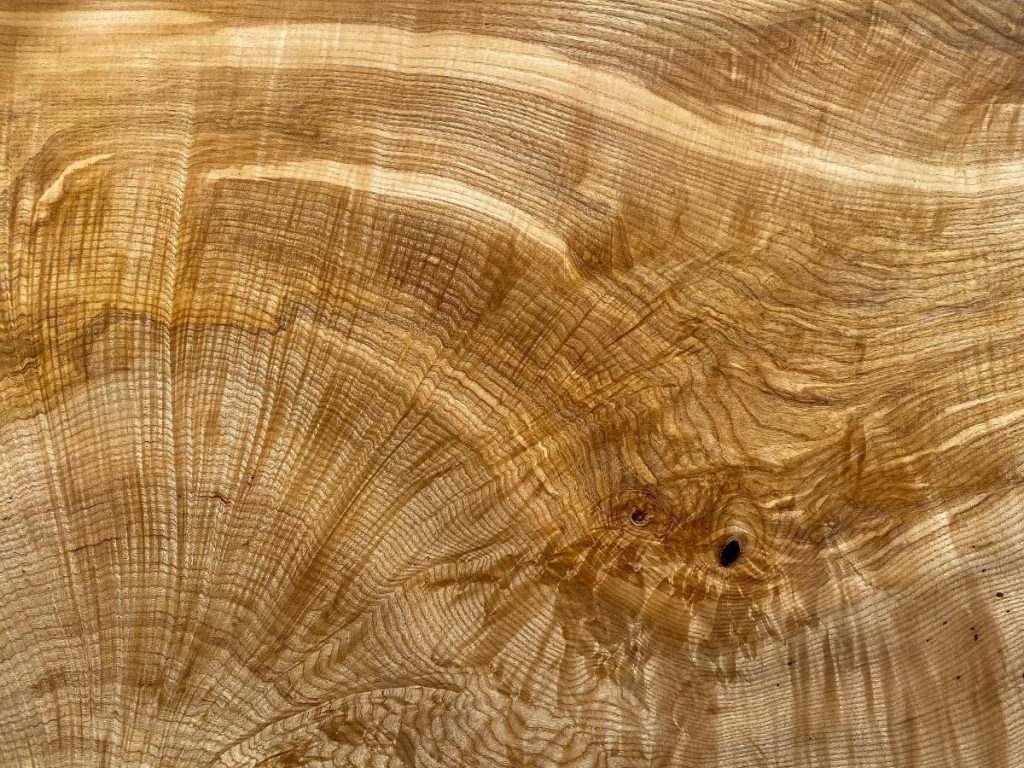
Ash is a light-colored domestic hardwood, usually ranging from pale beige and creamy white to light brown. It has a fresh, natural appearance that feels brighter and cleaner than many darker hardwoods. Ash has a similar density and grain to oak and is often used as an oak alternative. It is also known for being durable, lightweight, shock-resistant, and good at absorbing stain.
Grain & Texture
Ash has an open, coarse grain with strong lines and visible movement. The grain is usually straight and regular, though some pieces can have more curl or variation. This gives ash a bold visual texture without making the finished piece feel too heavy or dark.
Best Uses
Ash works well for dining tables, live edge bar tops, restaurant tables, conference tables, desks, countertops, and modern furniture. Its strength and shock resistance are also why it has traditionally been used for tool handles, baseball bats, and other impact-heavy applications.
Design Feel
Ash is a great option when you want the grain character of oak but with a lighter, more contemporary look. It pairs beautifully with black metal bases, clean modern interiors, commercial spaces, and lighter residential designs.
Boxelder
Color & Character
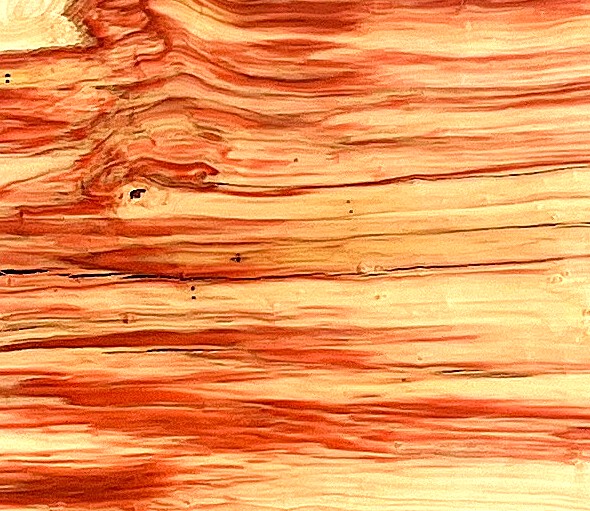
Boxelder is a domestic hardwood and a member of the maple family. It usually has a pale white, cream, or light yellow base color, often accented by red, pink, coral, or gray-brown streaking. These colorful streaks give boxelder a highly distinctive appearance compared with more traditional furniture woods.
Grain & Texture
Boxelder typically has a softer, more casual grain than hard maple. Its main appeal is often the unusual color variation that can appear throughout the slab. The red and pink coloring is commonly connected to the tree’s natural response to stress, damage, or fungal activity.
Best Uses
Boxelder is excellent for epoxy tables, coffee tables, accent tables, wall art, decorative slabs, turning projects, small furniture, and pieces where the wood itself should feel artistic and unexpected.
Design Feel
Boxelder has a playful, creative, one-of-a-kind personality. It is ideal for custom pieces that feel more like functional art than traditional furniture.
Cedar
Color & Character
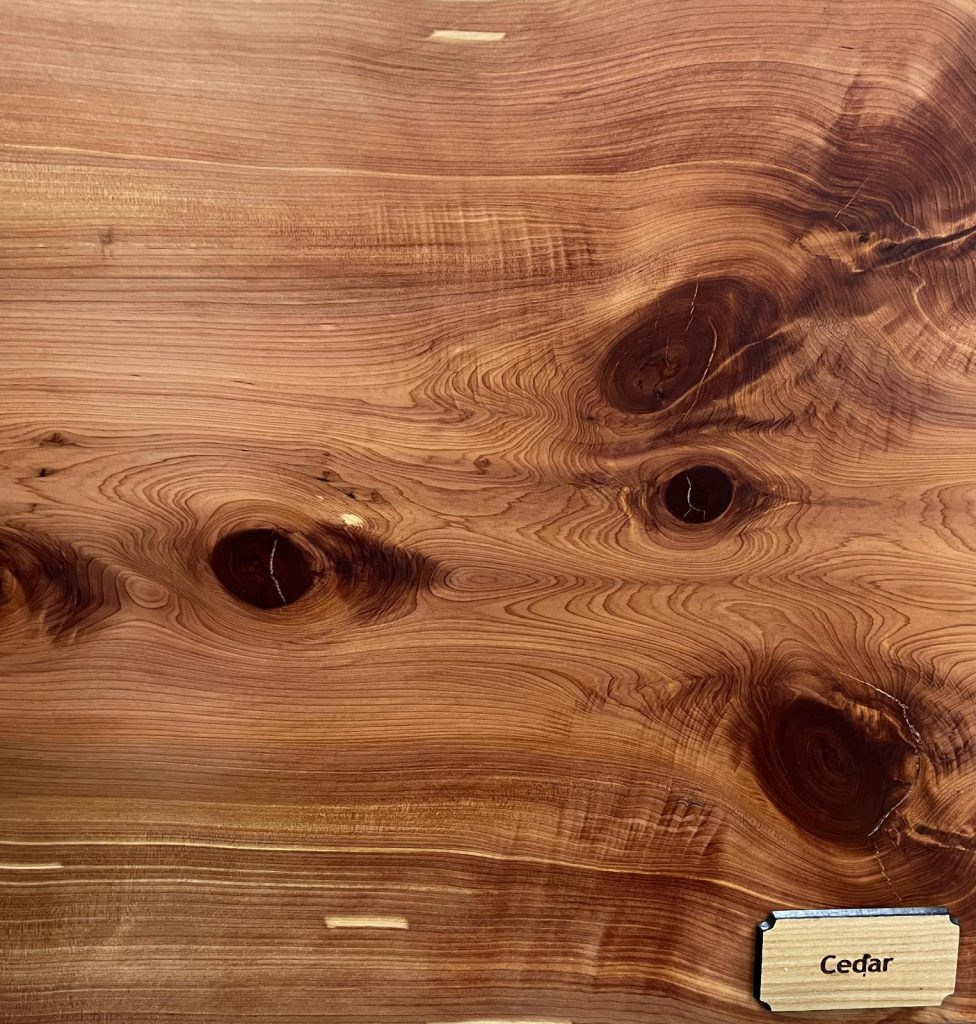
Red cedar is known for reddish, violet-brown, amber, and golden tones. The sapwood is usually pale yellow and can create strong contrast against the darker heartwood. Cedar is also recognizable for its natural scent, which adds to its rustic and distinctive character.
Grain & Texture
Cedar usually has a straight grain with a fine, even texture, though knots and color contrast are common. These natural features give cedar a warm, rustic, and highly recognizable look.
Best Uses
Cedar works well for accent tables, mantels, wall art, decorative tops, outdoor-inspired projects, specialty slabs, shelving, and rustic furniture. It is also commonly used in applications where aroma and natural resistance are part of the appeal, such as chests, closets, siding, and exterior-style projects.
Design Feel
Cedar is best when warmth, fragrance, rustic color, and natural contrast are desired. It feels less formal than walnut or cherry, but very strong for character-driven pieces.
Cottonwood
Color & Character
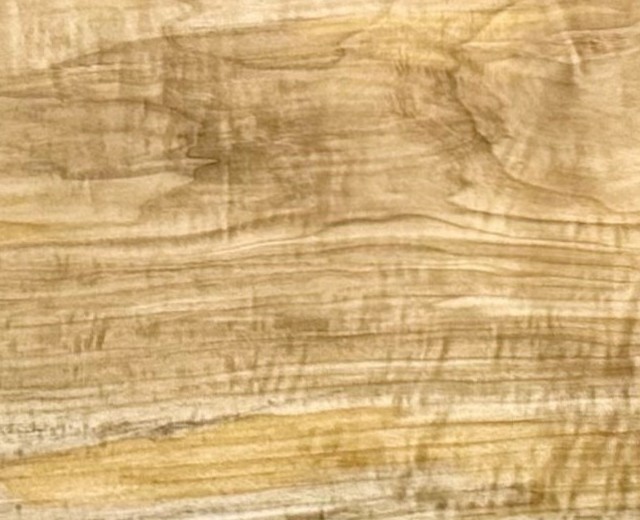
Cottonwood is a domestic hardwood in the poplar family. Its heartwood is typically light brown, while the sapwood is pale yellow to nearly white. It has a light, natural appearance that works well in relaxed and rustic furniture designs.
Grain & Texture
Cottonwood is usually straight-grained, though some pieces may be slightly irregular or interlocked. It has a fairly even texture and can produce large slabs with broad, organic movement. Its appeal in live edge work often comes from size, natural shape, and edge character.
Best Uses
Cottonwood is a good choice for oversized live edge slabs, rustic tables, epoxy tables, coffee tables, wall art, decorative slabs, and statement pieces where scale and natural movement matter.
Design Feel
Cottonwood has a relaxed, rustic, organic feel. It is especially useful when the goal is a large slab with natural shape and visual softness rather than a dense, dark, formal furniture look.
Cherry
Color & Character
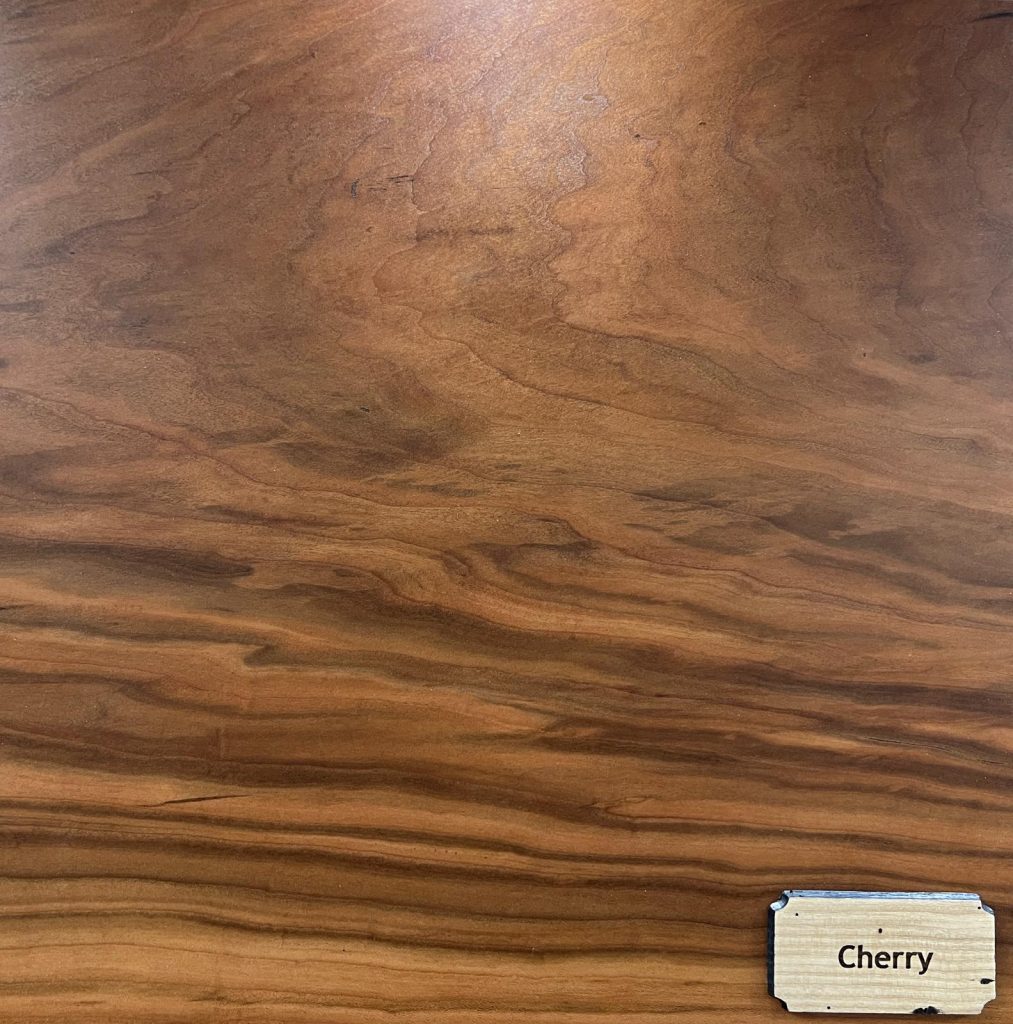
Cherry starts as a light pinkish-brown wood and darkens over time into a richer reddish-brown patina. This natural aging process is one of the reasons cherry is so valued in fine furniture. Its color gives finished pieces warmth, depth, and a timeless American furniture feel.
Grain & Texture
Cherry usually has a smooth, straight grain with a fine, even texture and moderate natural luster. Some slabs may include curly grain, figure, sapwood contrast, or color variation. The overall look is refined, warm, and classic rather than wild or rustic.
Best Uses
Cherry is an excellent choice for dining tables, desks, countertops, coffee tables, cabinets, conference tables, shelves, mantels, and heirloom-style furniture. It is widely respected as a furniture wood because it machines well, finishes beautifully, and develops a rich aged appearance.
Design Feel
Cherry is ideal when warmth, elegance, and a timeless furniture look are the goal. It feels refined without being flashy and works especially well in traditional, transitional, and high-end residential spaces.
Cypress
Color & Character
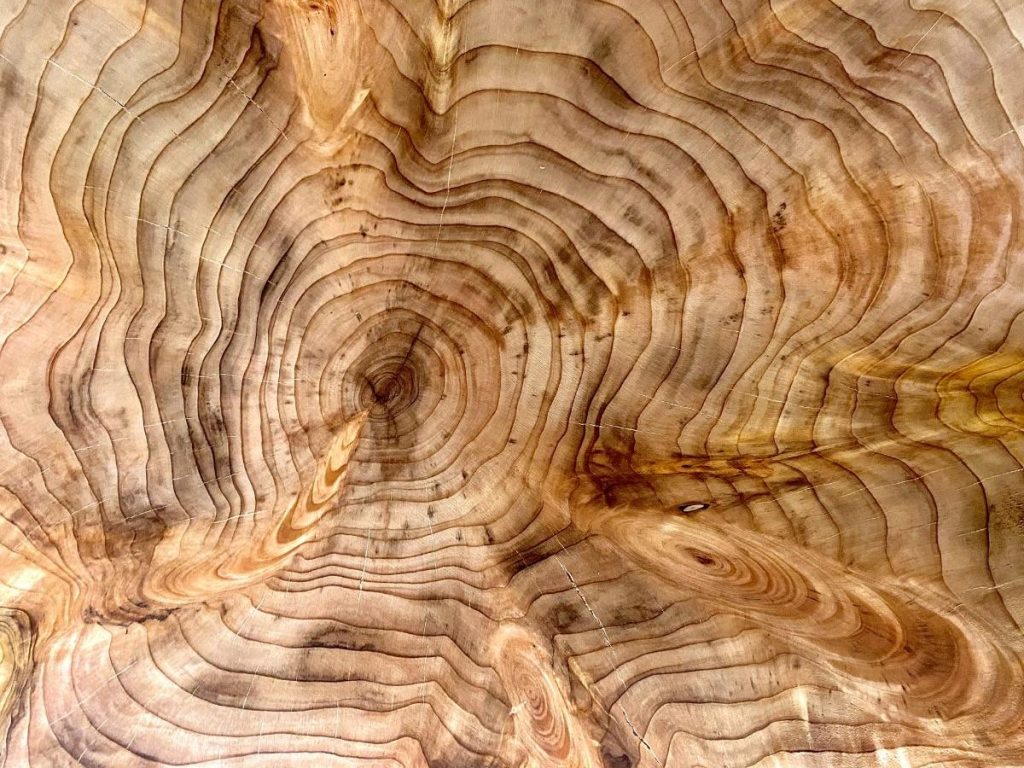
Cypress usually ranges from light yellowish brown to warmer golden brown, with nearly white sapwood. Some boards include darker pockets or voids known as pecky cypress, which can create a dramatic rustic appearance.
Grain & Texture
Cypress generally has a straight grain with a medium to coarse texture. Its surface can feel slightly soft, warm, and natural. Pecky cypress, when present, creates darker voids and pockets that give the wood a weathered, highly textured look.
Best Uses
Cypress works well for live edge tables, bar tops, counters, mantels, wall features, shelving, outdoor-inspired designs, rustic furniture, and pieces where a lighter wood with natural warmth is preferred.
Design Feel
Cypress has a calm, relaxed, slightly coastal feel. It is a strong option when warmth and texture are desired without the dark, formal look of walnut or the bold grain of oak or ash.
Elm
Color & Character
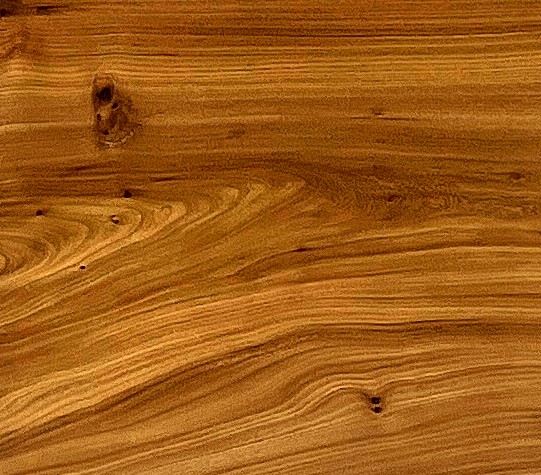
Elm usually ranges from light tan to reddish brown, often with off-white sapwood. It has strong natural variation and can show both light and dark tones within the same slab. This gives elm a warm, active, and visually interesting appearance.
Grain & Texture
Elm has interlocked grain, which gives it a distinctive, wild, active look. It is a ring-porous wood like oak and ash, so it often has an open, coarse grain. The grain can appear irregular, sweeping, and architectural, which makes elm especially compelling in larger live edge slabs.
Best Uses
Elm is well suited for live edge dining tables, bar tops, countertops, conference tables, desks, benches, restaurant tables, and statement furniture. Its strong grain movement makes it especially useful for pieces where the wood surface should become a focal point.
Design Feel
Elm is ideal when movement and character are important. It feels substantial, organic, and slightly dramatic, making it a great choice for spaces that need a strong natural focal point.
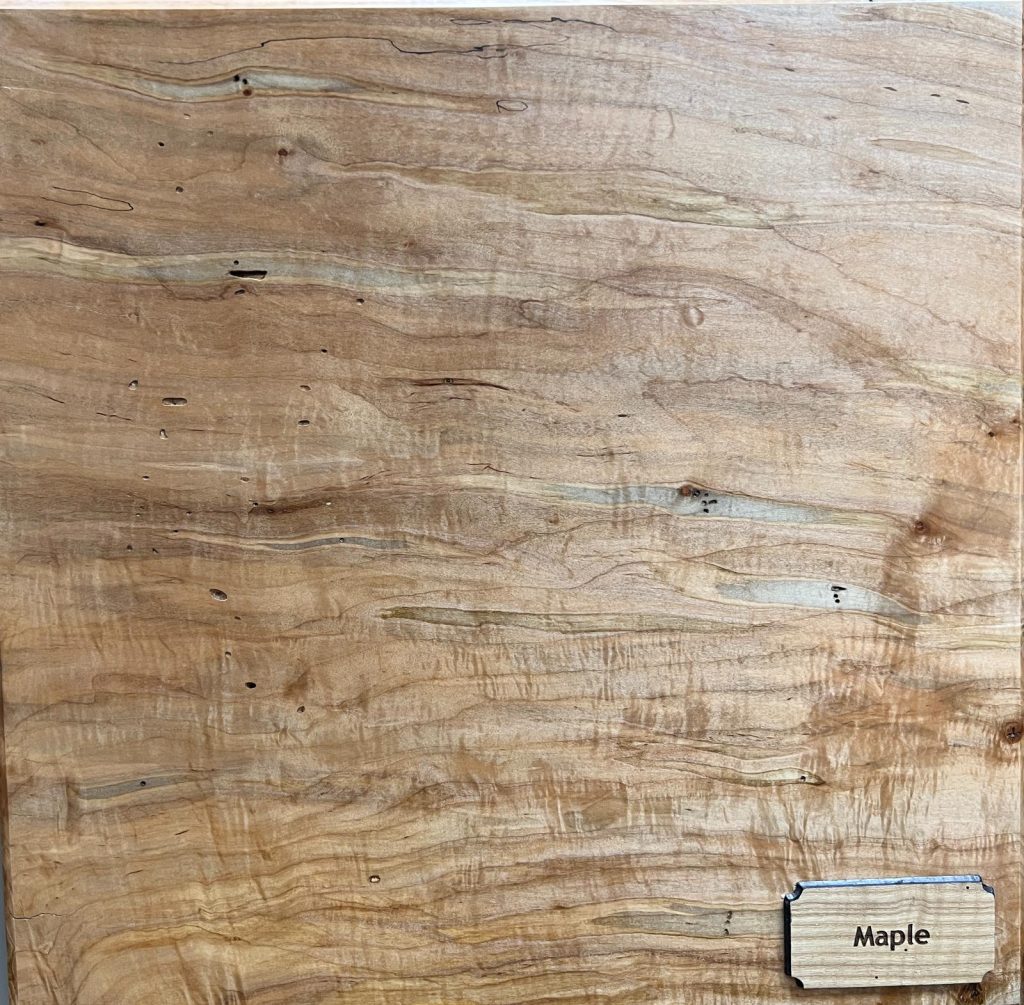
Maple
Color & Character
Maple is typically creamy white to pale golden, sometimes with reddish or warm undertones. It has a clean, bright appearance that works especially well in modern and transitional interiors. Figured maple can show dramatic patterns such as birdseye, tiger, flame, curly, wavy, rippled, or fiddleback figure.
Grain & Texture
Most maple has a smooth, fine, subtle grain that creates a clean and refined look. Figured maple is more visually dramatic and can show rippling, curling, or shimmering movement in the surface. This makes maple flexible: it can be very minimal or highly decorative depending on the slab.
Best Uses
Maple is excellent for modern dining tables, kitchen islands, countertops, desks, bar tops, butcher-block-style pieces, cabinetry, shelves, and clean custom furniture. Hard maple is also commonly used for demanding surfaces such as gym floors, bowling alleys, cutting boards, and work surfaces.
Design Feel
Maple is one of the best choices for a bright, clean, modern space. It works especially well when a lighter piece is desired that feels polished, refined, and not overly rustic.
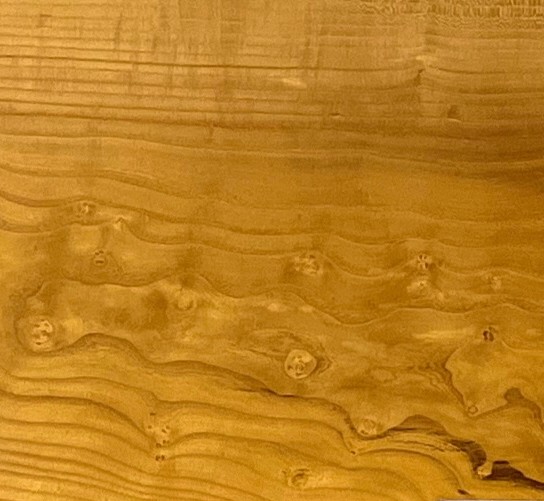
Mulberry
Color & Character
Mulberry is usually golden yellow to honey brown when freshly worked and can deepen toward a warmer reddish or medium brown tone with age. Its sapwood is much paler, creating noticeable contrast in some slabs. The color gives mulberry a warm, rustic, and uncommon appearance.
Grain & Texture
Mulberry typically has a straight grain with a medium texture and a natural luster. The wood can feel warm, earthy, and character-rich, with color that separates it from more common domestic hardwoods. It has a personality closer to golden woods like osage orange or locust than to walnut or maple.
Best Uses
Mulberry is a strong option for accent tables, live edge tops, coffee tables, rustic furniture, decorative slabs, turned pieces, benches, and custom projects where a less common species adds interest.
Design Feel
Mulberry is ideal when something warm, golden, and uncommon is desired. It gives a custom piece a distinctive identity and works especially well in rustic, organic, and natural interiors.
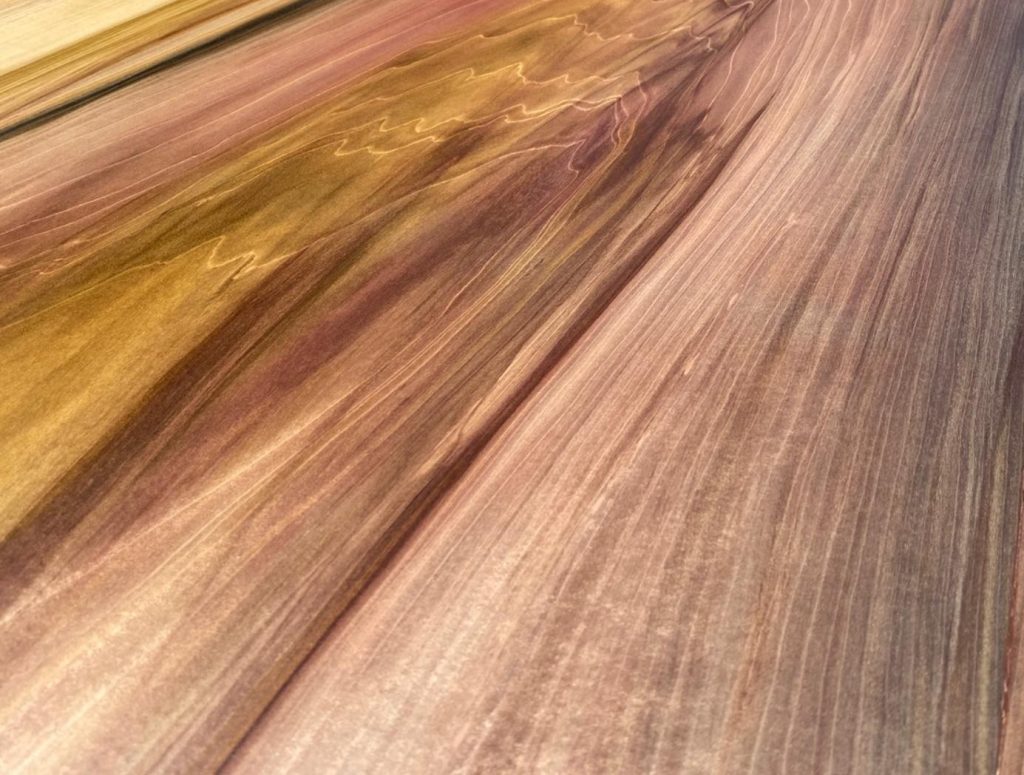
Poplar
Color & Character
Tulip poplar, also called yellow poplar, is a domestic hardwood with light cream, yellow, green, gray, and sometimes purple or pink tones. Some pieces show dramatic mineral staining with greens, purples, blacks, reds, and other colors. This colorful variation is often referred to as rainbow poplar.
Grain & Texture
Poplar usually has a straight, even grain and a relatively uniform texture. Standard poplar can look clean and simple, while rainbow poplar can be much more dramatic because of its mineral staining and color variation.
Best Uses
Poplar works well for epoxy tables, wall art, counters, accent furniture, cabinetry, millwork, doors, painted furniture, and custom pieces where color variation becomes part of the design.
Design Feel
Poplar is a great choice when a lighter, brighter wood or a more artistic color story is desired. Rainbow poplar in particular can feel creative, unexpected, and highly custom.
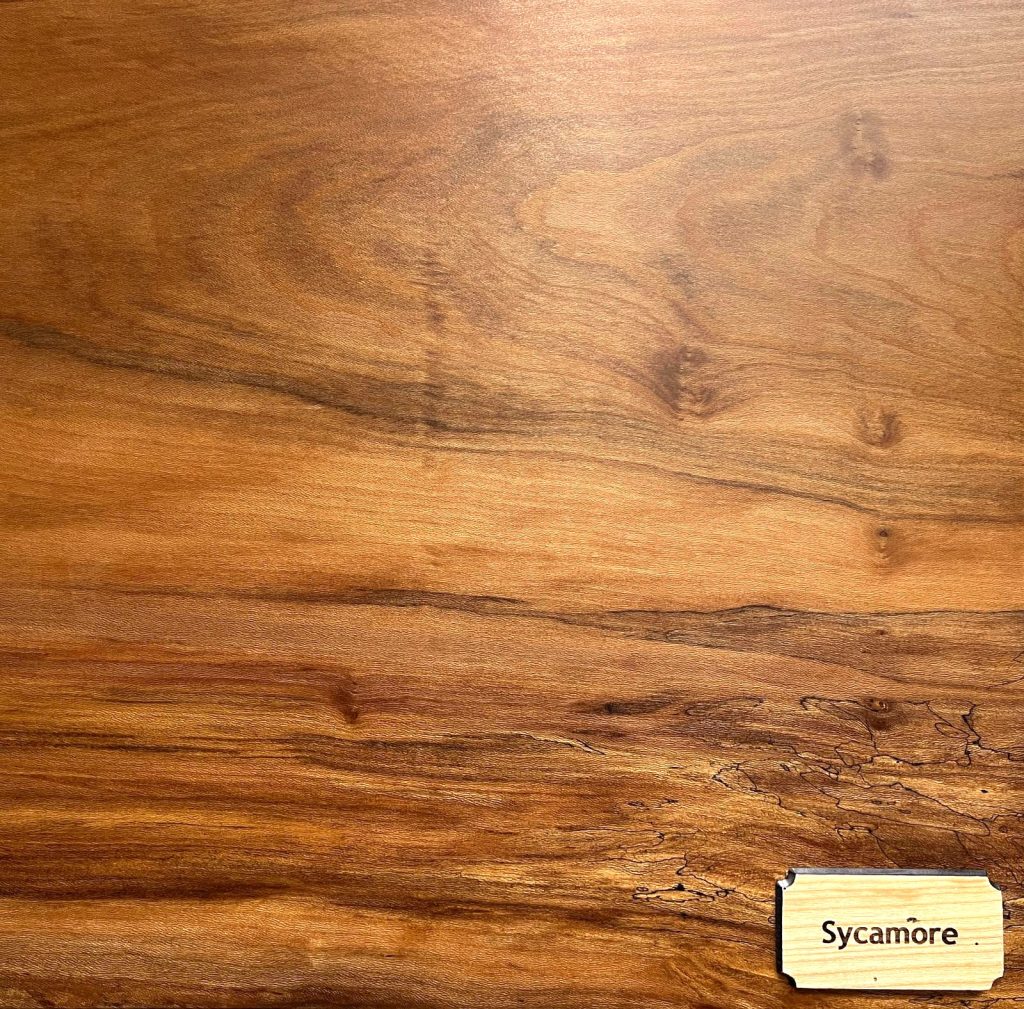
Sycamore
Color & Character
American sycamore generally ranges from whitish or light tan sapwood to darker reddish-brown heartwood. It has a light, refined appearance with enough natural variation to keep the surface interesting.
Grain & Texture
Sycamore often has interlocked grain, which can create beautiful movement and visual texture. When quartersawn, sycamore can show dramatic ray fleck, sometimes giving it a lacewood-like appearance. This makes it more visually interesting than many people expect from a lighter domestic wood.
Best Uses
Sycamore works well for dining tables, desks, counters, shelving, interior trim, furniture, butcher-block-style pieces, drawer parts, and decorative surfaces.
Design Feel
Sycamore is a great choice for someone who wants a lighter wood with subtle sophistication. It feels refined, textured, and natural without being too dark or visually heavy.
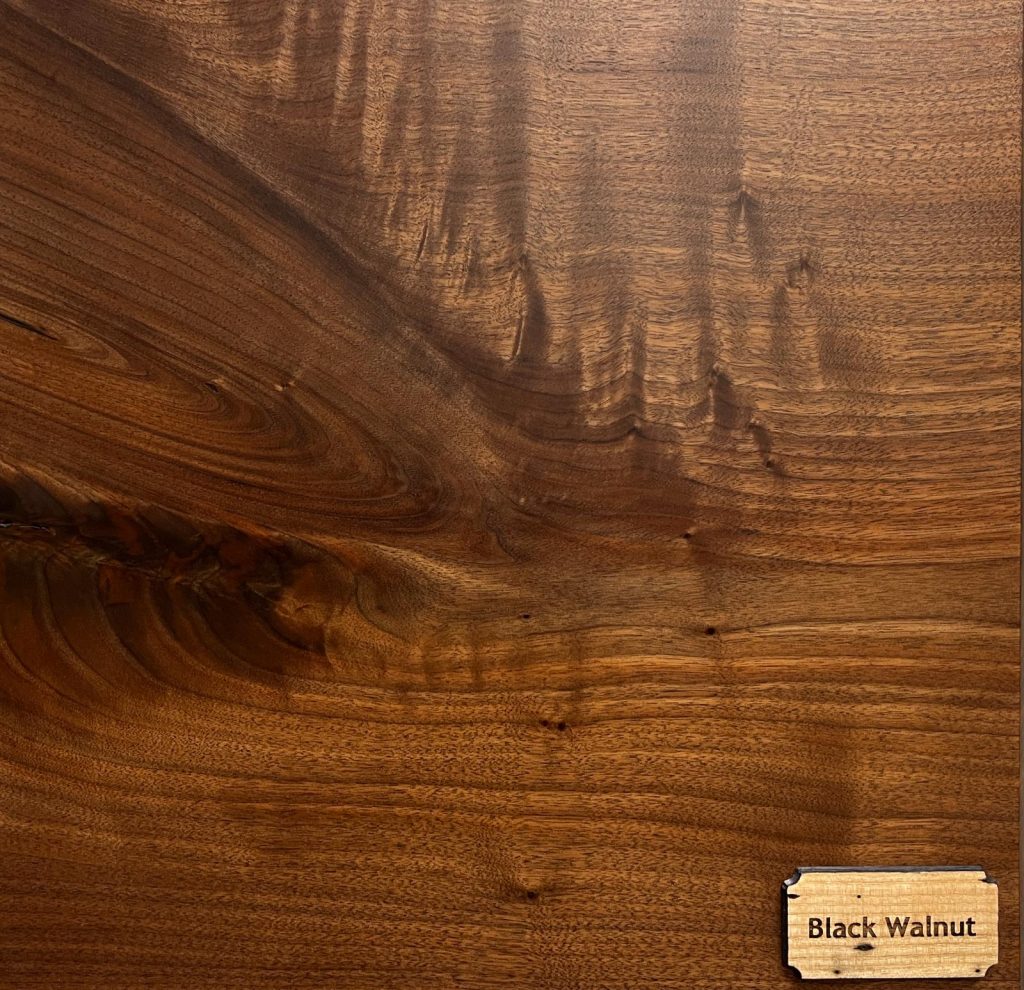
Walnut
Color & Character
Black walnut ranges from creamy white sapwood to deep chocolate-brown heartwood, often with darker streaks and occasional gray, purple, or reddish undertones. It is one of the most recognizable and desirable American hardwoods because of its rich natural color and elevated appearance.
Grain & Texture
Walnut usually has a straight to slightly wavy grain with a medium texture and natural luster. Some slabs include curl, crotch figure, feathering, knots, or dramatic heartwood and sapwood contrast. It sands and finishes beautifully, often needing very little color enhancement to look rich and finished.
Best Uses
Walnut is one of the best choices for custom dining tables, conference tables, executive desks, bar tops, countertops, kitchen islands, coffee tables, shelves, mantels, cabinetry, and statement furniture.
Design Feel
Walnut is the go-to species when the goal is premium, timeless, and substantial. It works beautifully in luxury homes, restaurants, offices, conference rooms, and any space where the furniture needs to feel important.
Not sure which wood?
Bring us the room and the budget — we’ll tell you which of the slabs in the yard actually suits it.