Epoxy River Bars

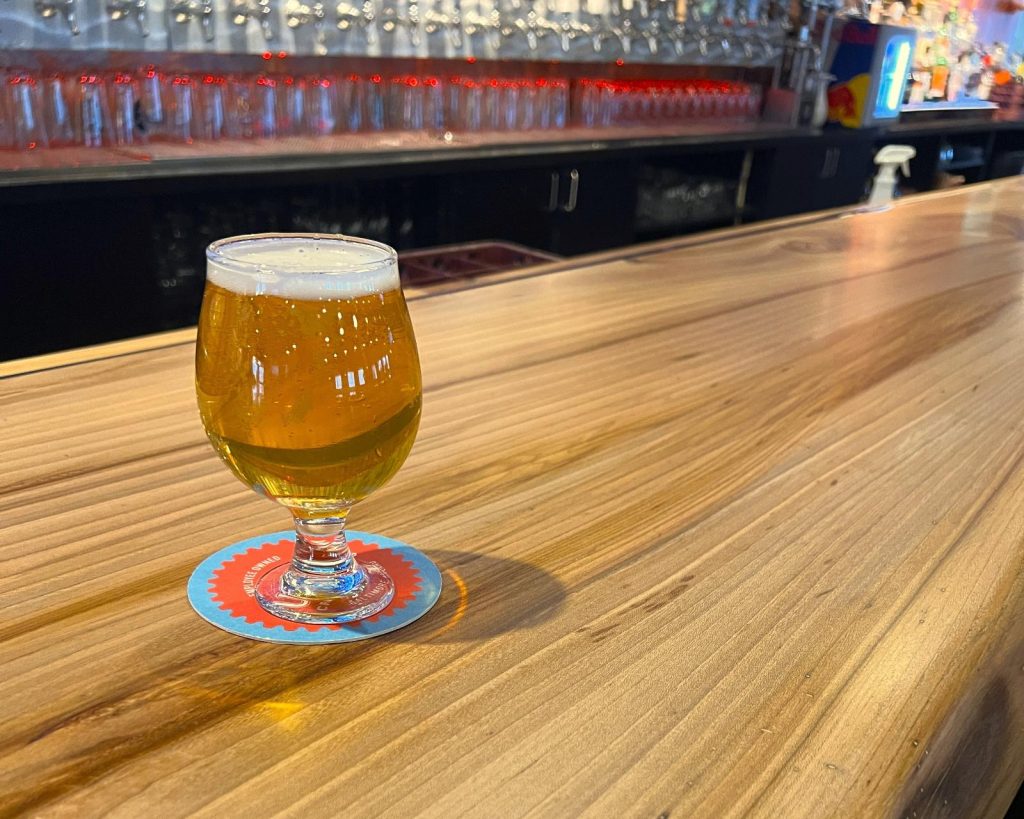
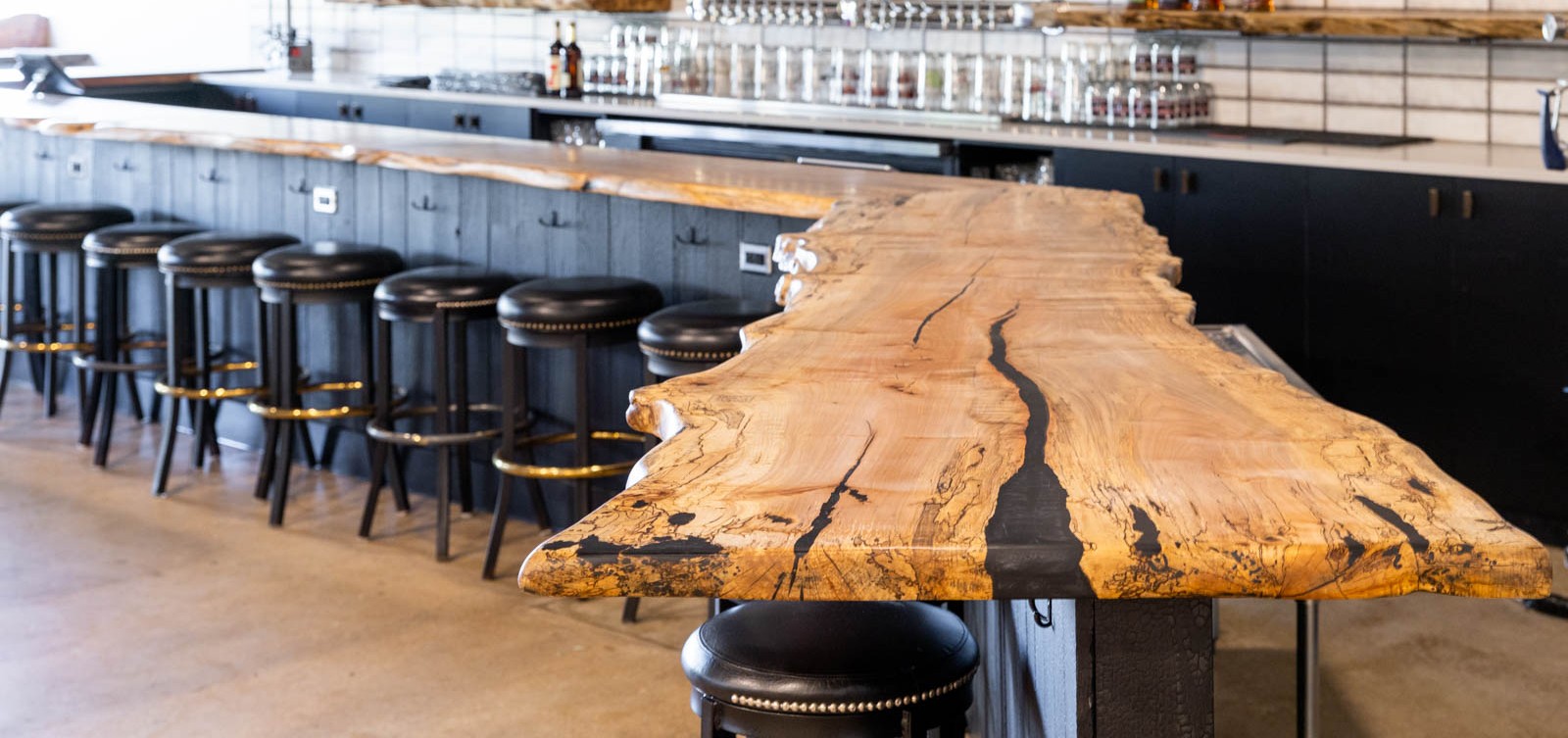
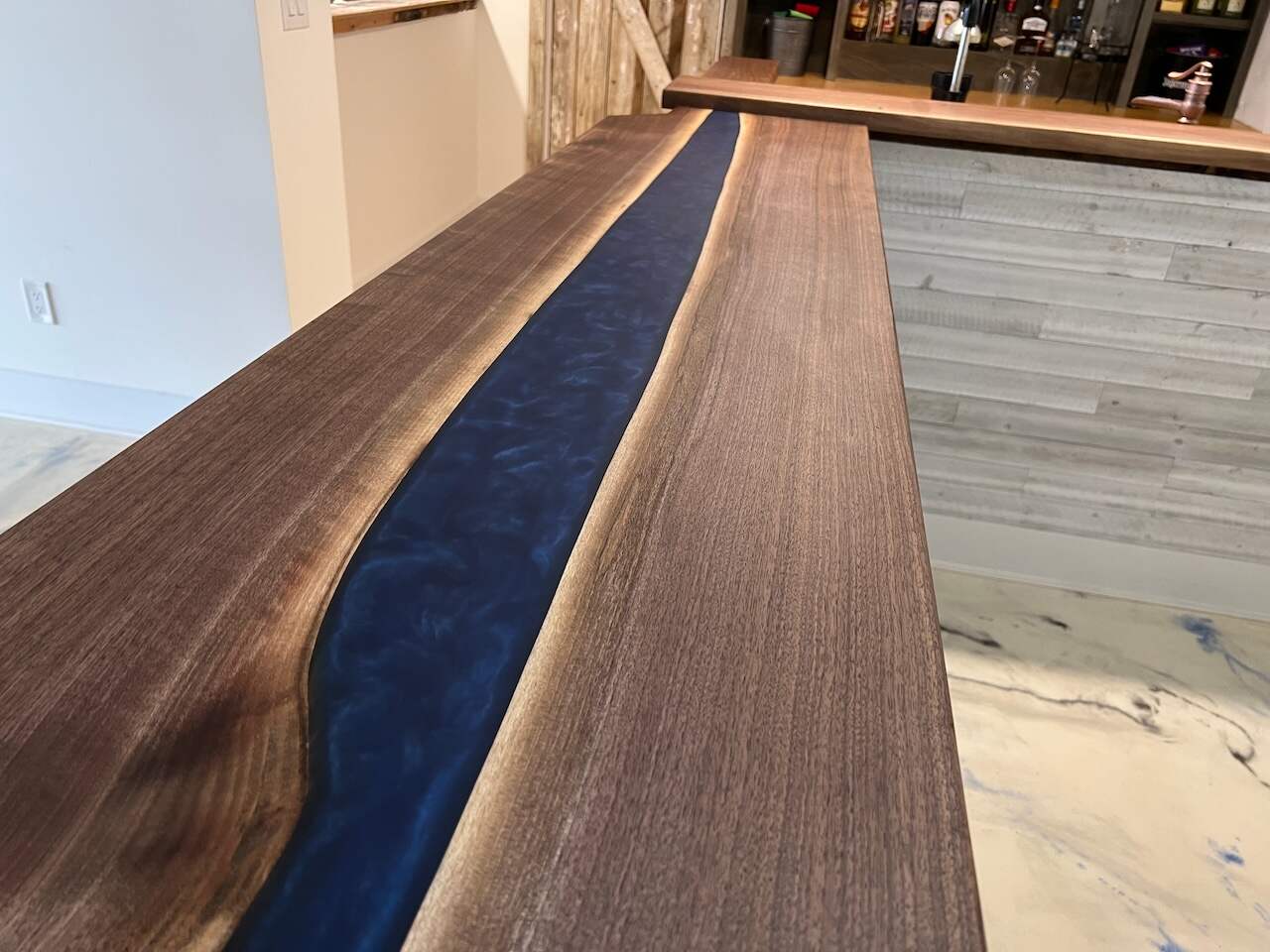
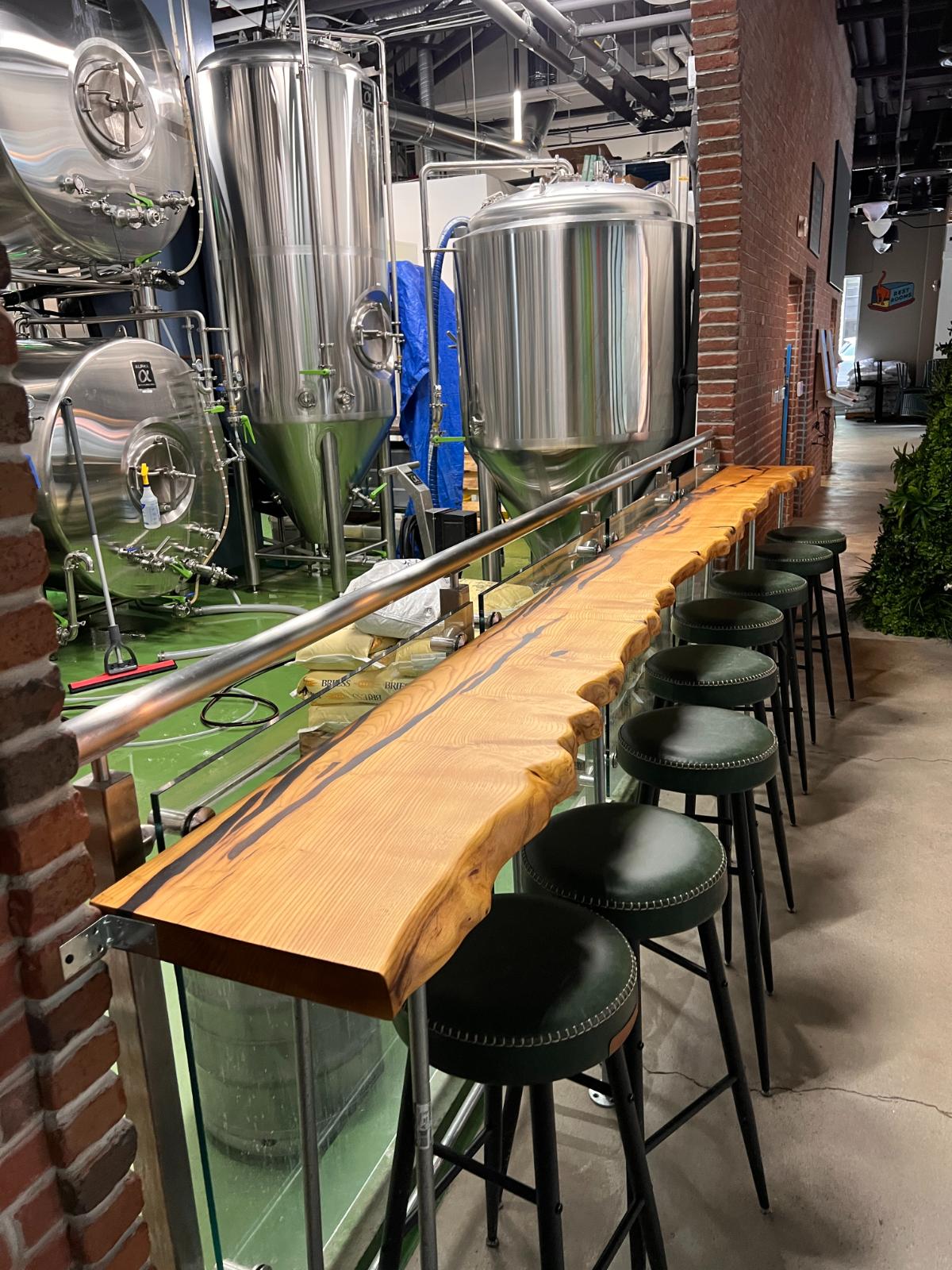
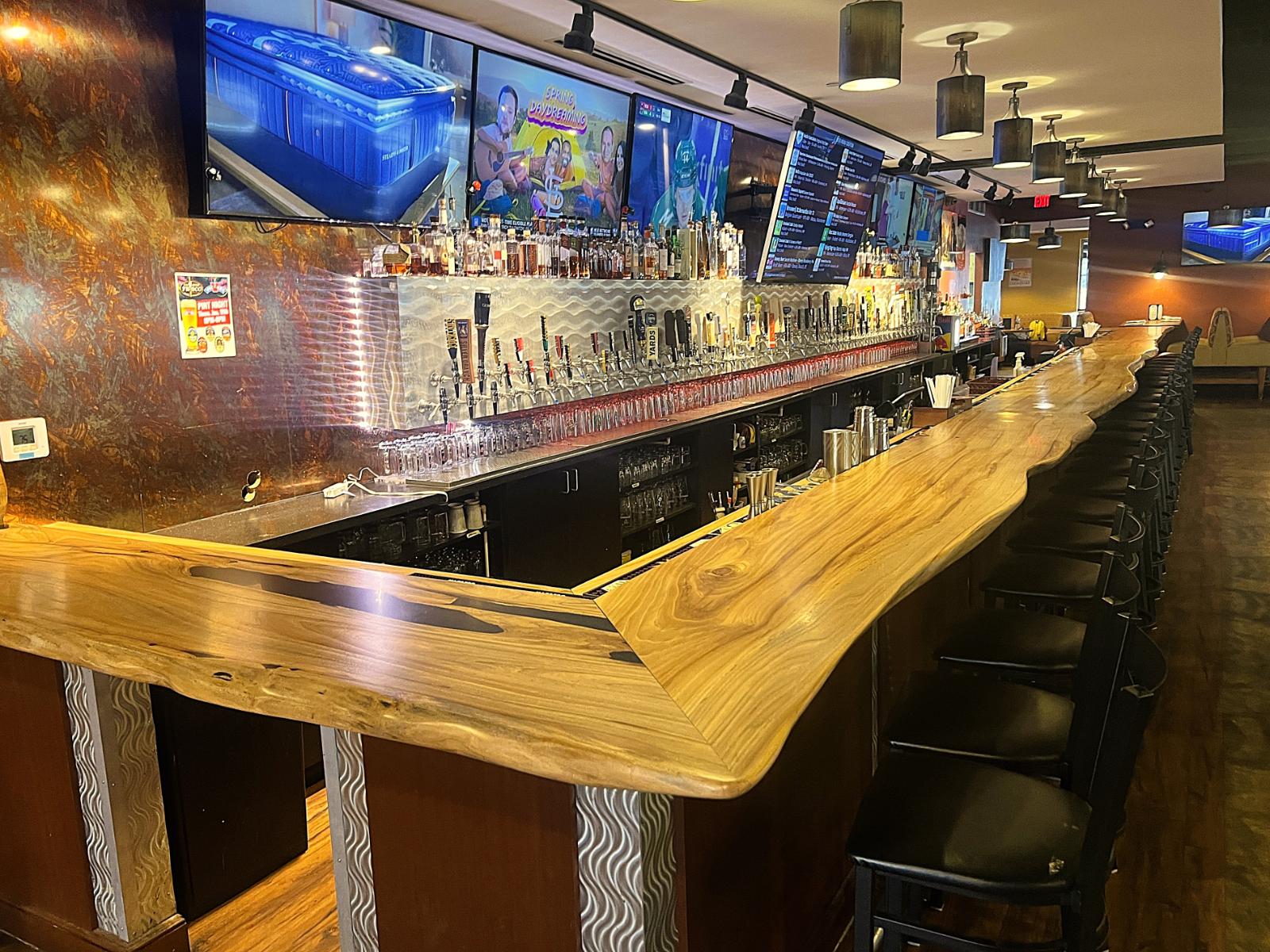
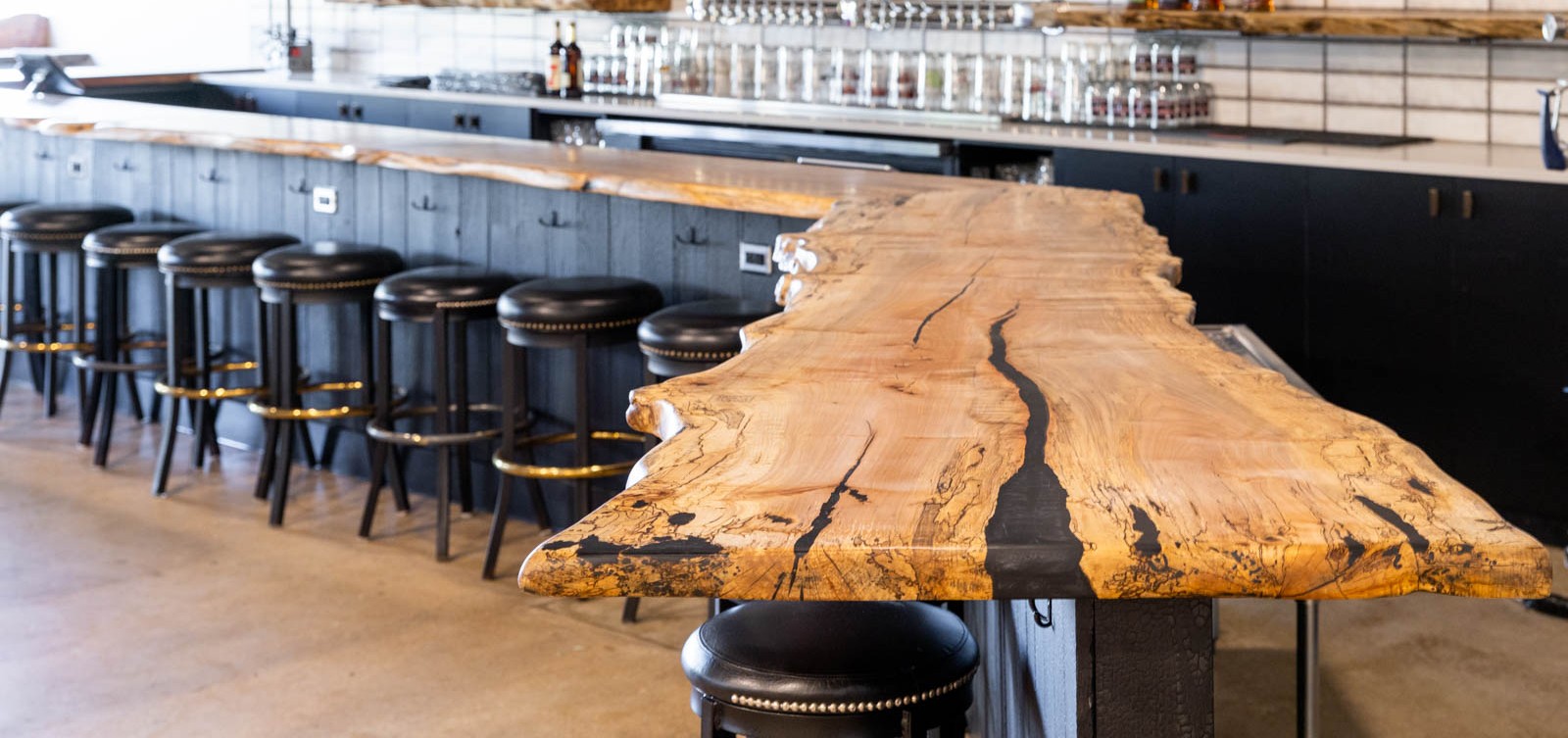
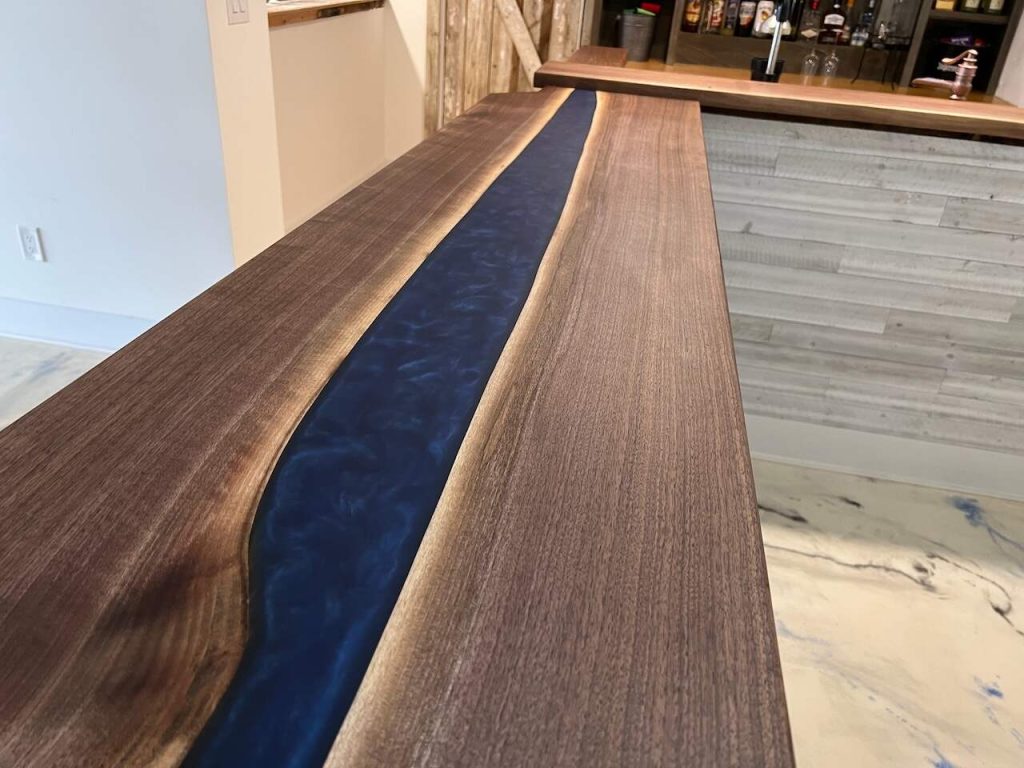
Epoxy river restaurant bars are designed to become a signature feature of the space. By combining natural hardwood with custom resin work, these bars can bring color, movement, branding, and visual impact into the dining or bar area while still being built for real commercial use.

Bar Design

Custom Layouts for Your Space

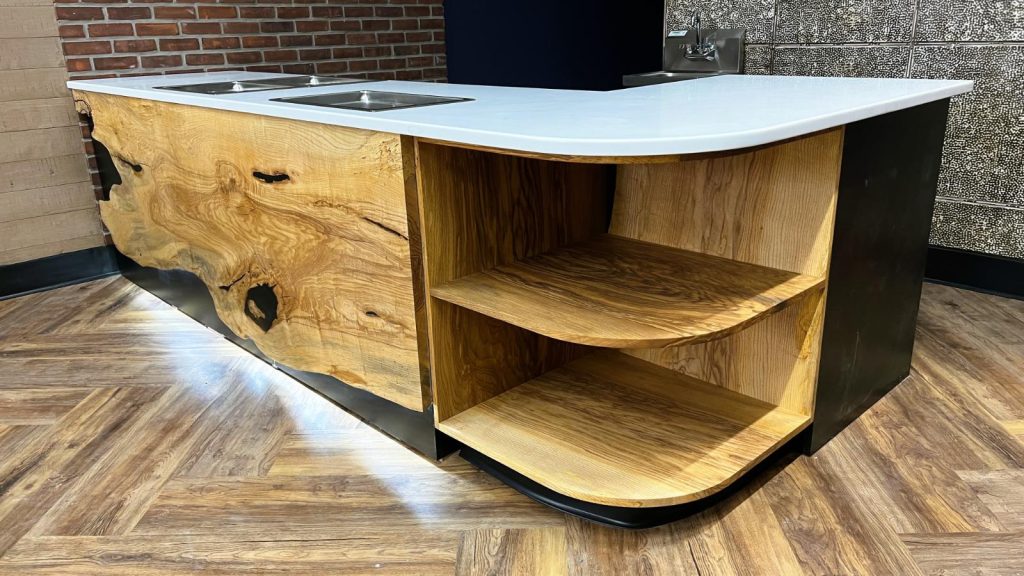
Epoxy river bars can be built for straight bars, L-shaped layouts, wraparound designs, corner bars, tasting counters, or large hospitality installations. The river layout can be designed to follow the shape of the slabs, run through the center of the bar, break into multiple channels, or highlight specific sections of the space.

Premium Wood & Epoxy Selection

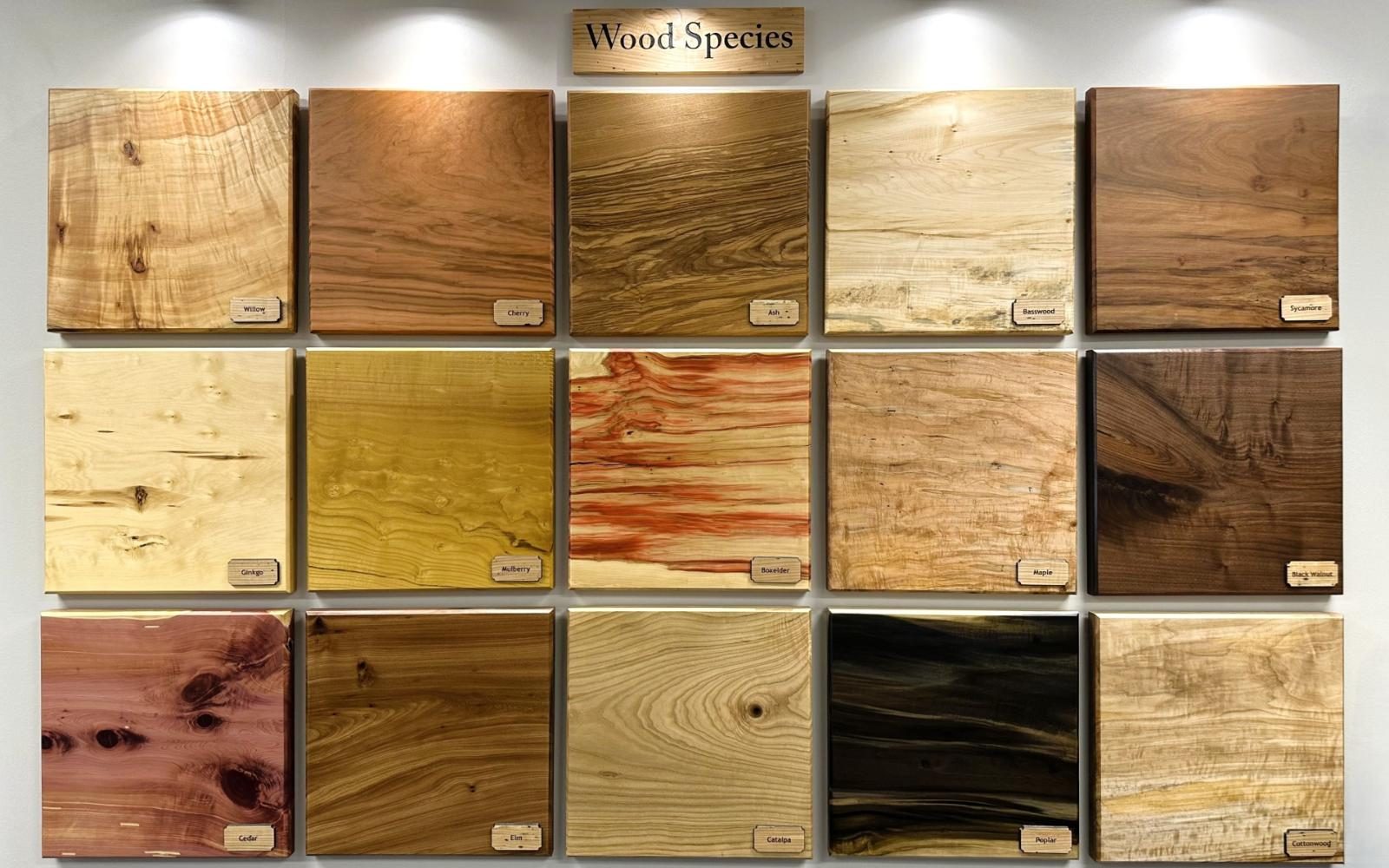
The right wood sets the tone for the entire bar. With access to ash, cedar, cherry, maple, walnut, elm, tulip poplar, and other hardwoods, we can help match the species, grain, color, and scale to the look you want — from refined dimensional builds to organic live edge slabs and epoxy river designs.

Optimize Functional Features

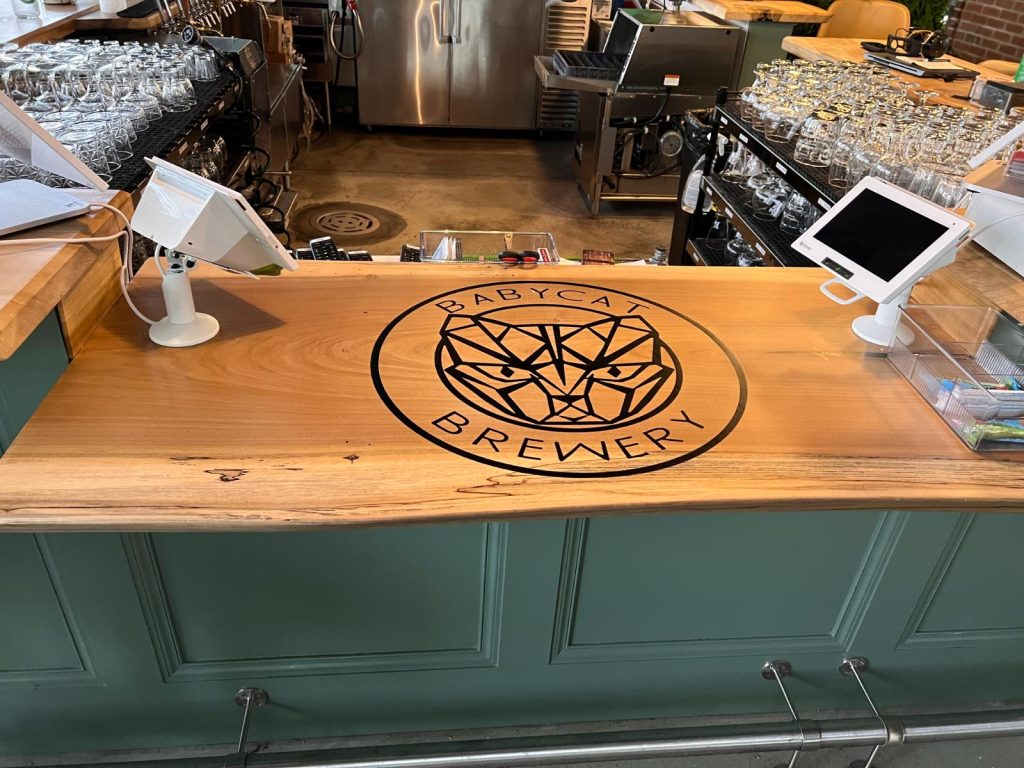
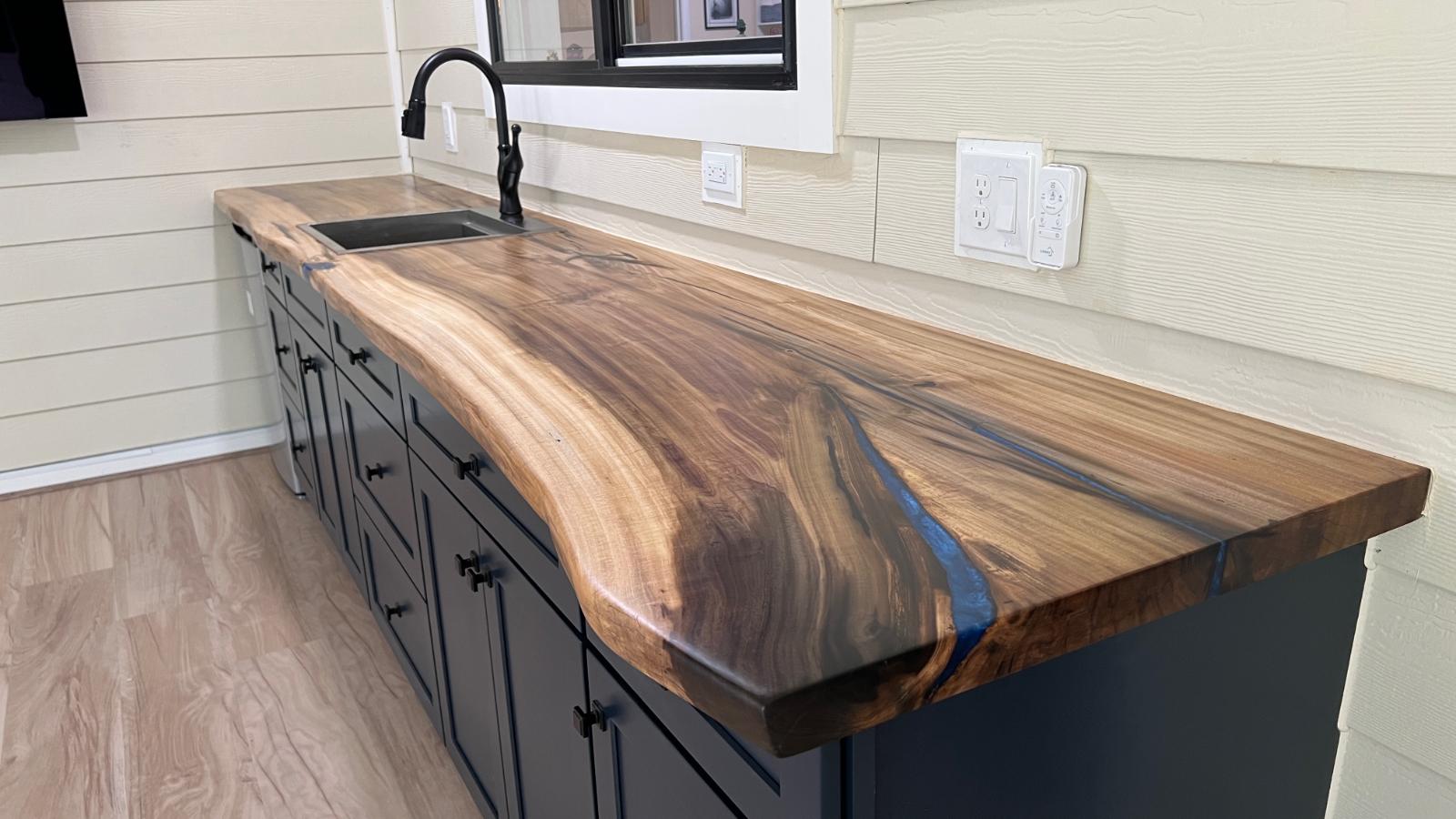
Even with a highly visual design, the bar can still be built around restaurant operations. Tap cutouts, sinks, drip trays, glass rinsers, POS stations, ice bin access, service zones, and underbar equipment can all be planned into the layout so the finished piece supports daily service without compromising the design.

Add Personalized Designs

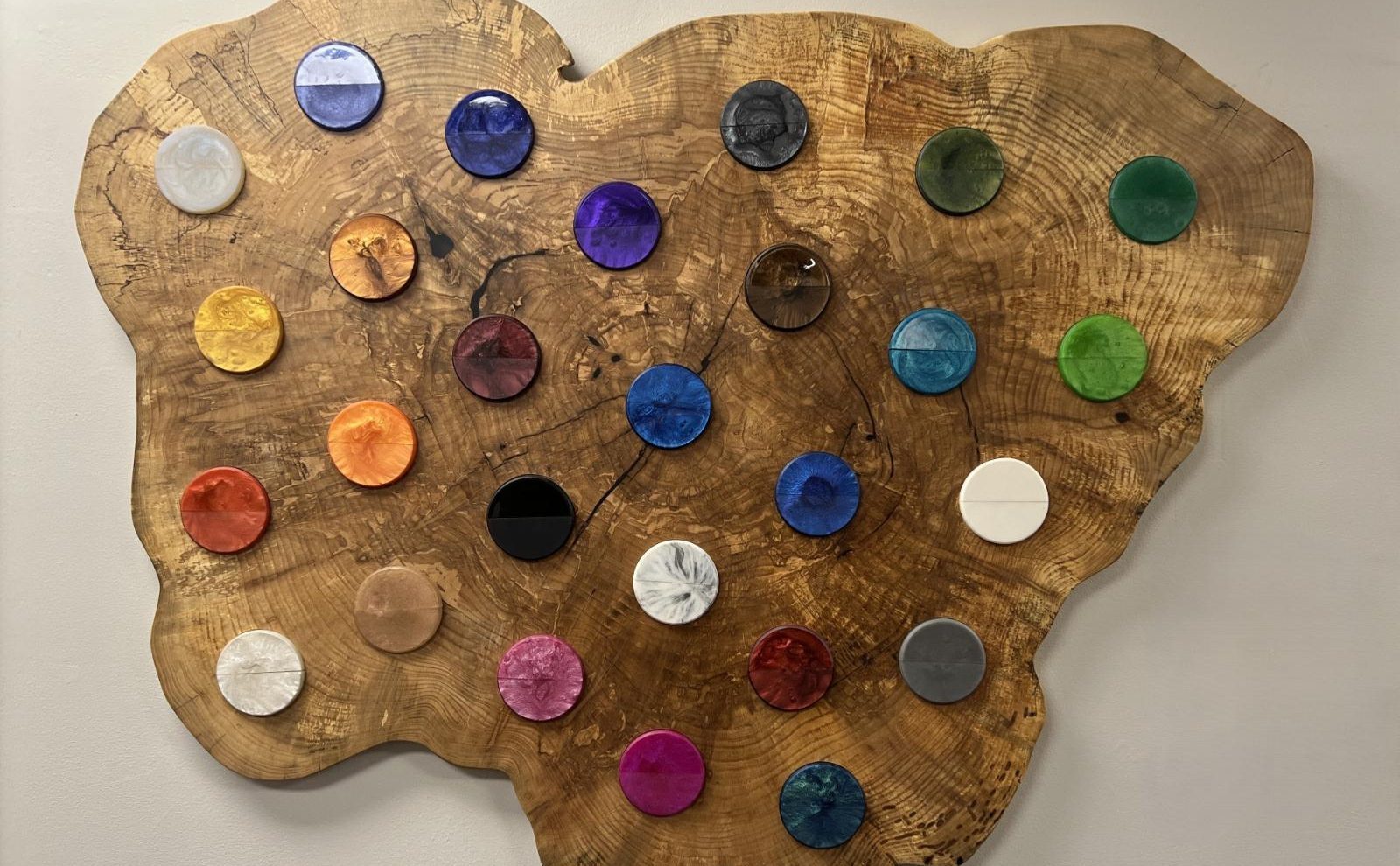
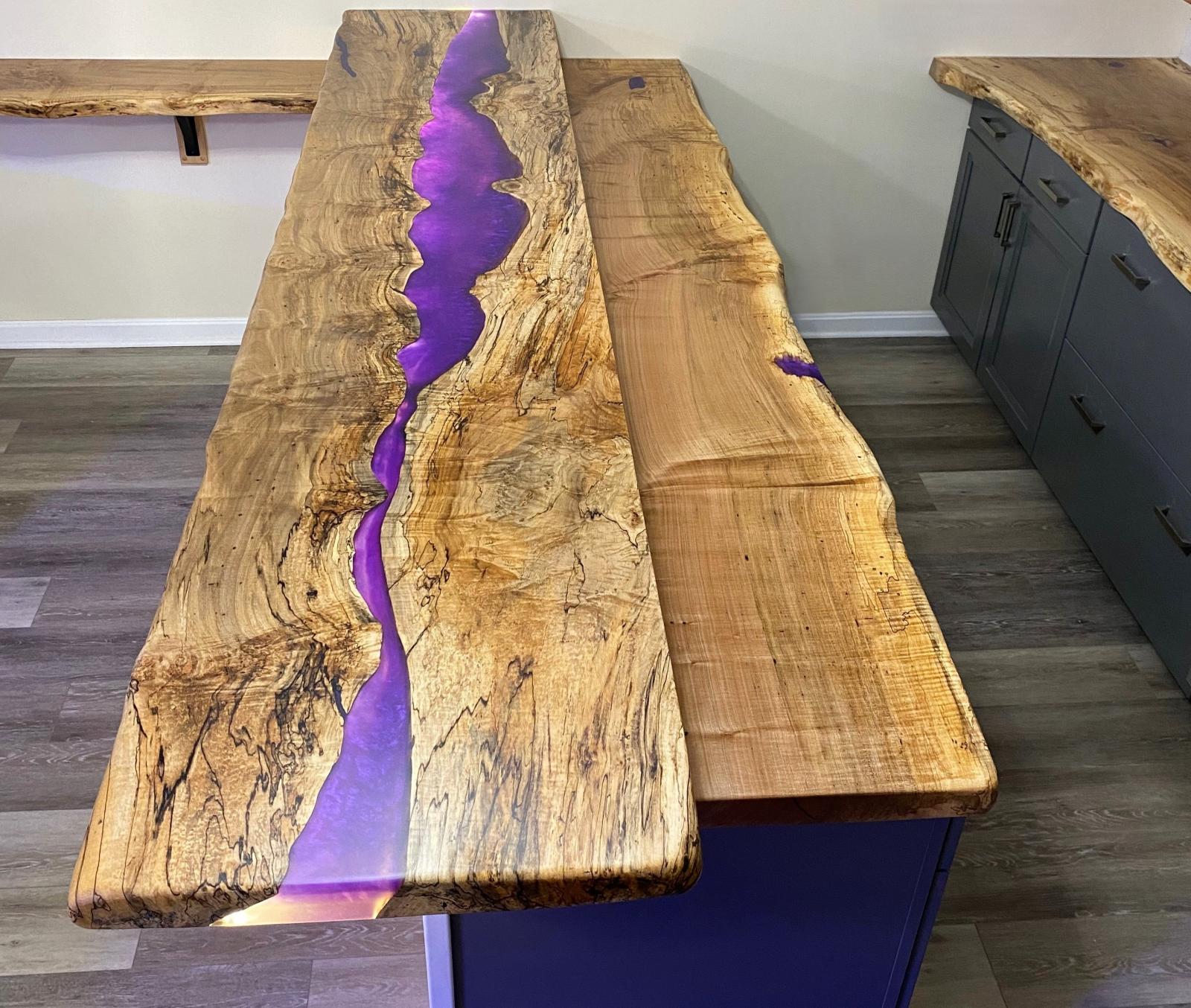
Epoxy can be subtle, bold, or fully branded. Options include clear fills, black epoxy, metallic effects, translucent colors, brand-color matching, backlit epoxy, logo integration, embedded objects, or custom river patterns. For restaurants, these details can help connect the bar to the atmosphere, menu, logo, or overall identity of the space.
Explore Finish Options

Epoxy river bars can be finished in different ways depending on the desired look and use case. A UV-light-cured hard wax oil keeps the wood feeling natural and refined while offering a durable, food-safe, maintainable surface. An epoxy flood coat can create a thicker, glossier, glass-like finish with added moisture protection, while stains can be used when the design calls for a specific tone or traditional protective coating.

Check out some of our recent projects: