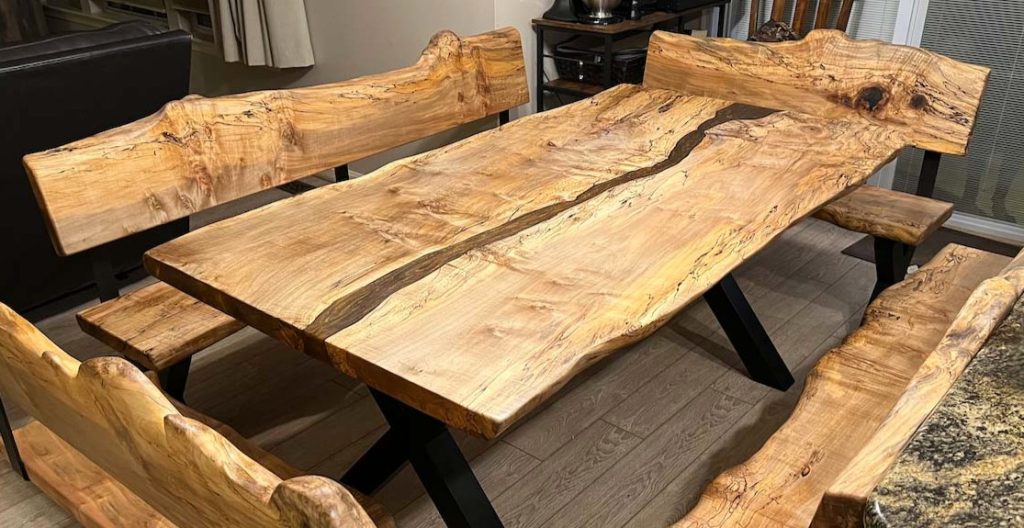

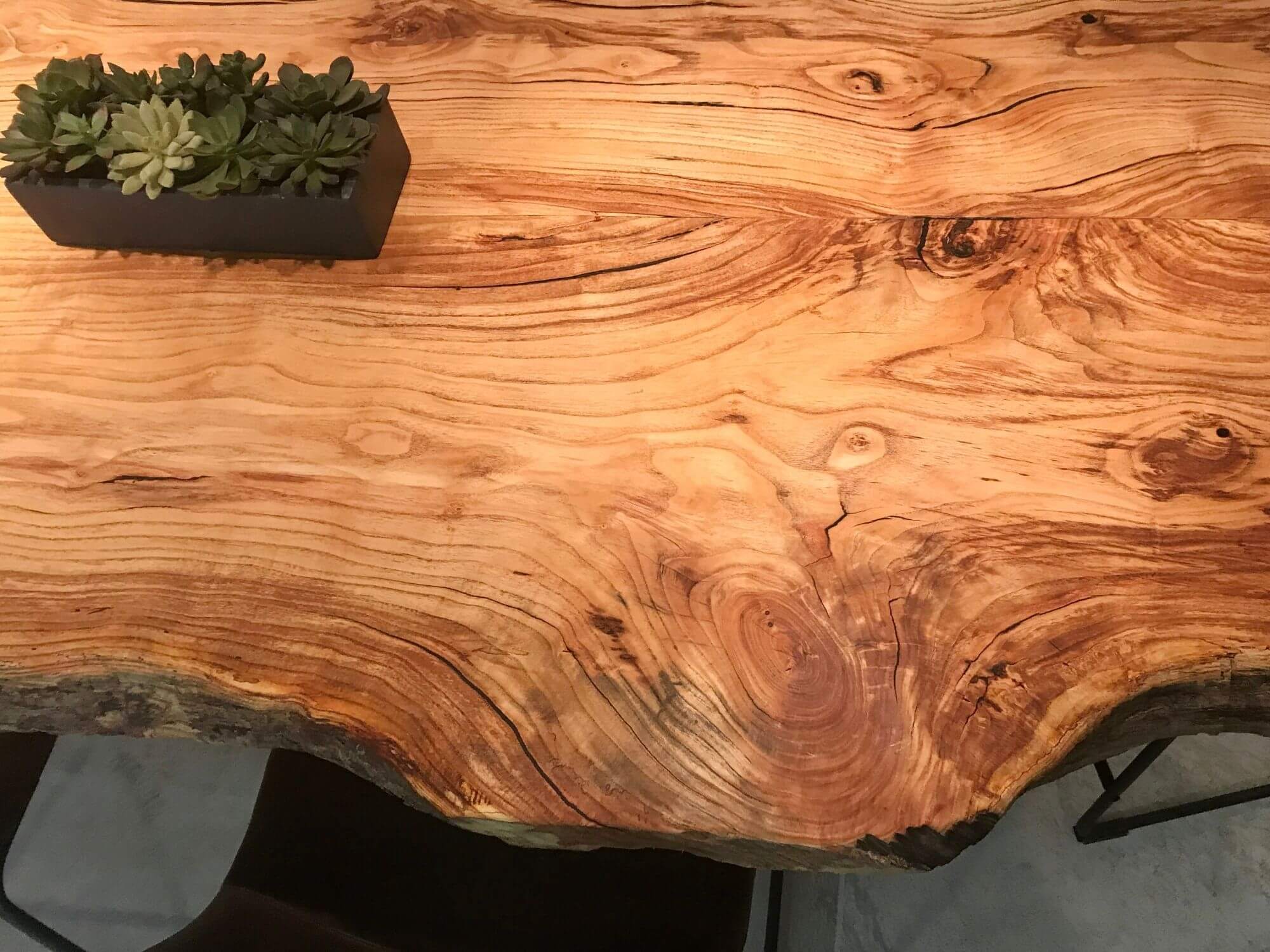
Live edge furniture can add warmth, character, and lasting value to your home or business. Unlike mass-produced furniture, live edge pieces are made from real slabs of wood, which means every table, counter, shelf, desk, or bar top is one of a kind.
Because live edge furniture is made from natural wood, it should be cared for properly. Wood can react to changes in humidity, temperature, sunlight, moisture, and daily use. With the right maintenance, your live edge piece can stay beautiful, functional, and enjoyable for many years.
What Is Live Edge Furniture?
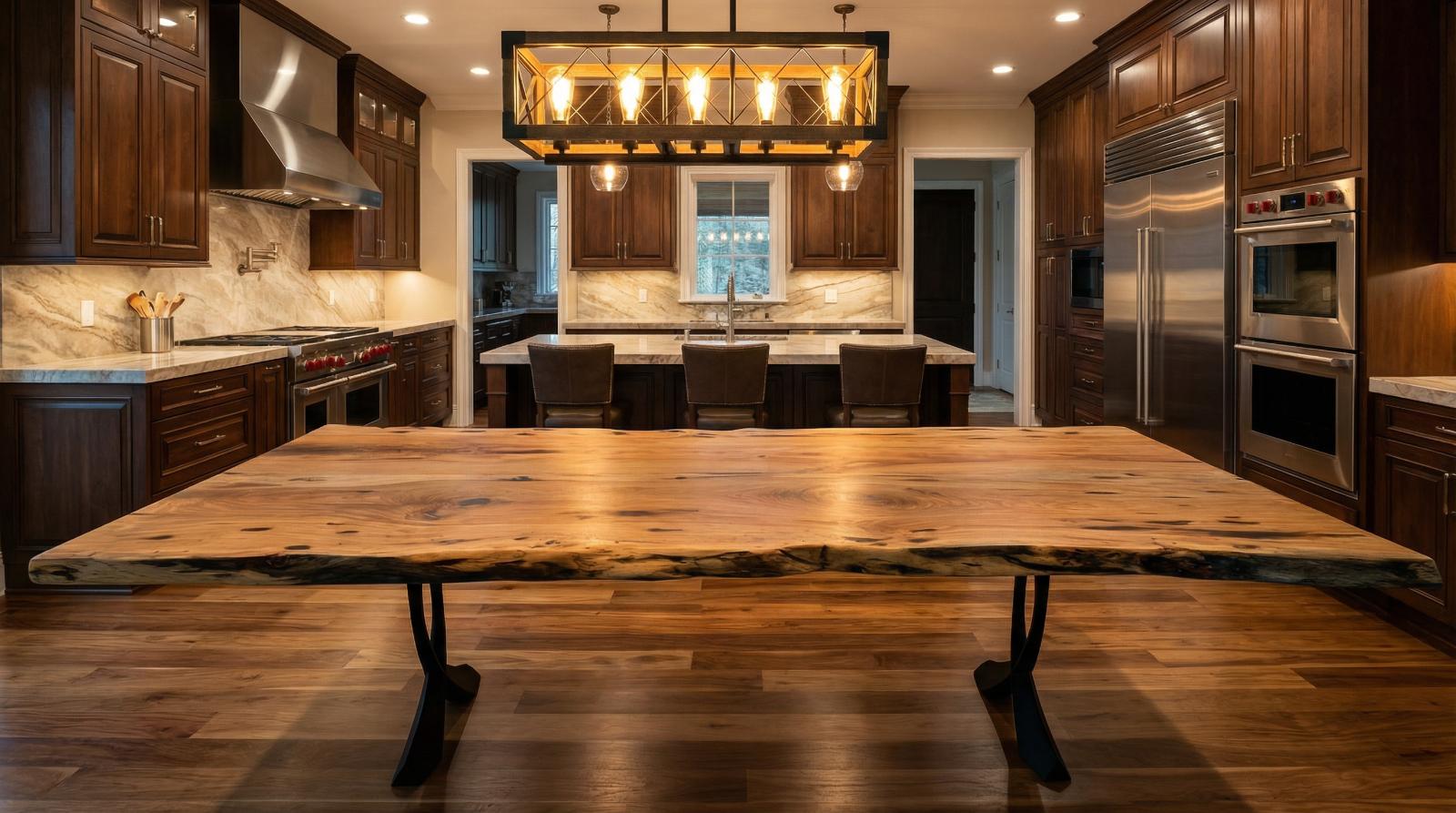
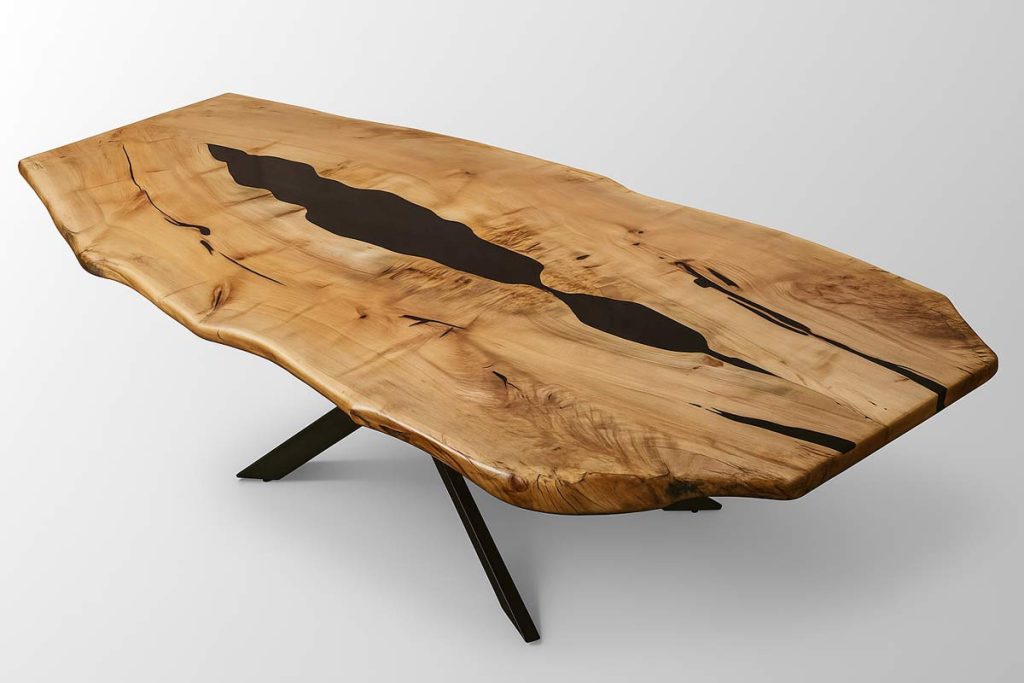
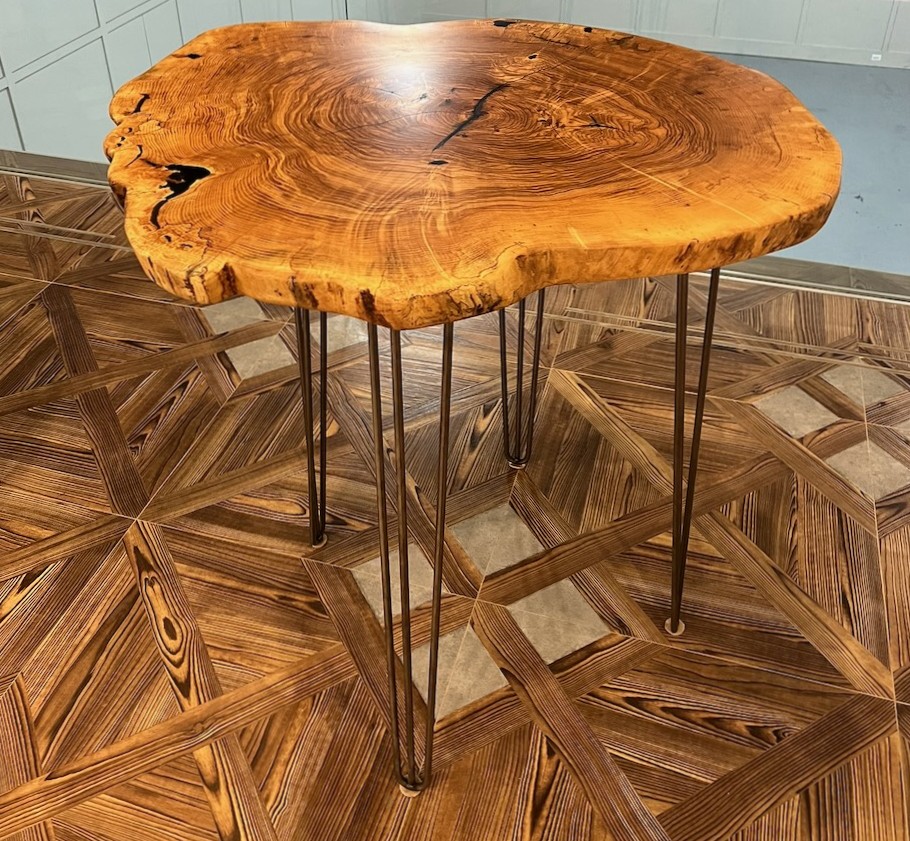
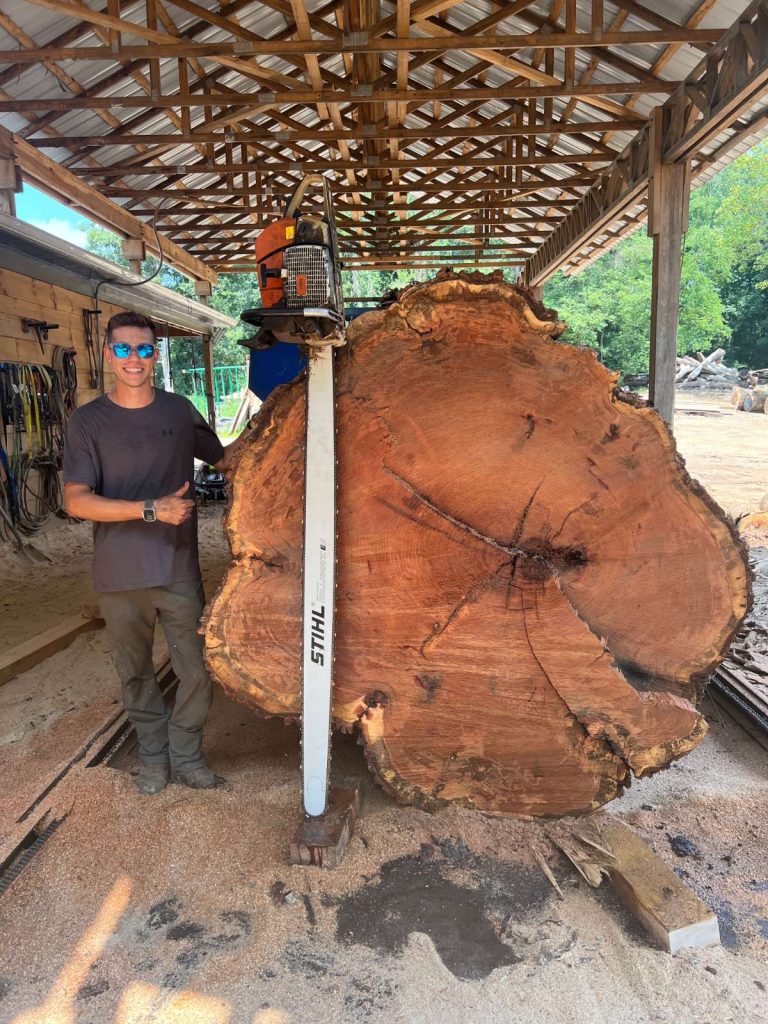
Live edge furniture is made from wood that keeps the natural outside edge of the tree. Instead of cutting every side perfectly straight, the edge follows the original shape and contours of the log.
Sometimes that edge is smooth and gently curved. Other times it may include knots, waves, points, or dramatic movement. Every piece is different because every tree grows differently.
That natural shape is what gives live edge furniture its character. The grain, color, edge movement, knots, cracks, and figure all become part of the final design.
Seven Suggestions to Help Keep Your Live Edge Furniture Looking Great
Once you have live edge furniture in your home, office, restaurant, or business, a few simple habits can help protect it. These care tips will help preserve the finish, reduce damage, and keep the wood looking its best.
1) Check Your Room Humidity
Humidity matters when you own real wood furniture, especially when the piece is made from a large slab. Unlike engineered furniture, which is often made from wood fibers, glue, laminate, or composite materials, a solid wood slab can continue to respond to its environment.
When the air is too dry, wood can shrink, crack, or splinter. When the air is too humid, wood can swell, warp, or even develop mold in extreme conditions.
Try to keep your live edge furniture in a space with a consistent environment. Avoid rooms with drastic temperature swings or major humidity changes. A properly functioning HVAC system can help keep the indoor environment more stable.
As a general guide, very low humidity can stress the wood, while high humidity can create swelling or moisture problems. If you want to monitor your space more closely, a simple indoor humidity meter can help.
2) Don’t Use Harsh Cleaning Products
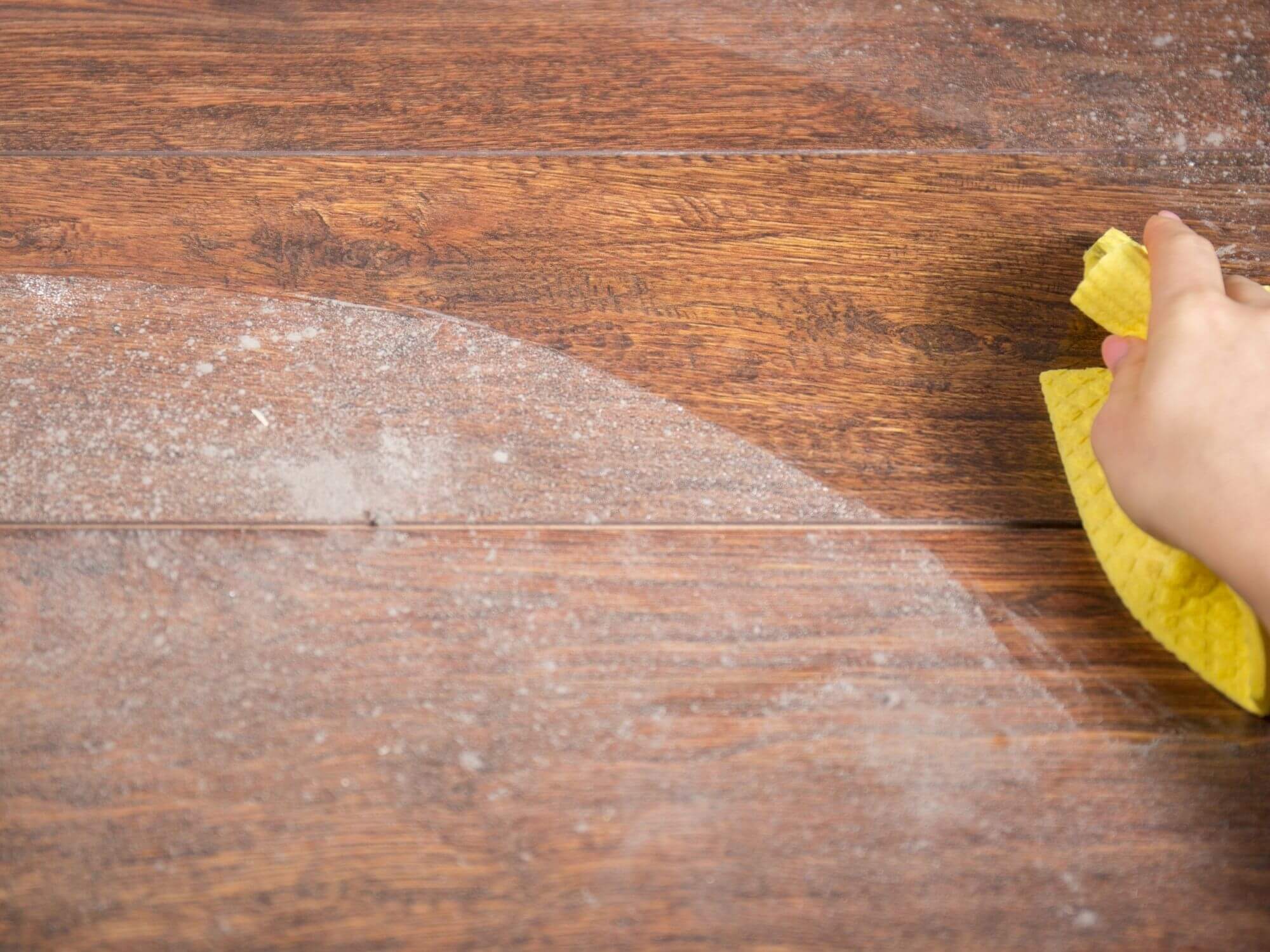
It is important to keep your furniture clean, but harsh bottled cleaners can damage the finish or dry out the wood over time. Even some products marketed as wood cleaners may not be the best choice for natural oil-finished furniture.
Start by dusting the surface with a soft microfiber cloth. Removing dirt and grit helps prevent small scratches during everyday use.
For light cleaning, use a soft damp cloth with a small amount of mild detergent if needed. Wipe the surface gently, then dry it immediately with a clean towel to prevent streaking or moisture from sitting on the wood.
Avoid abrasive pads, strong chemicals, ammonia-based cleaners, heavy degreasers, and harsh sanitizing sprays unless the finish manufacturer specifically says they are safe for that surface.
For oil-finished tables, natural wood-care products or oil-based maintenance products may help refresh the surface. The right product depends on the finish used on the table.
3) Don’t Reapply Lacquer Coatings Over the Existing Finish
Clear lacquer is commonly used in the furniture industry because it creates a hard protective layer. Over time, however, even durable finishes can wear. A common mistake is to simply apply more lacquer over an old finish without properly preparing the surface.
If lacquer is going to be reapplied, the old finish usually needs to be properly stripped, sanded, or prepared first. Otherwise, the new coating may not bond correctly and may simply sit on top of the existing sealed layer.
Many live edge tables are finished with natural oil or hard wax oil finishes instead of lacquer. These finishes are often easier to refresh, but they still need the correct maintenance product.
If your table has a nick, scratch, worn spot, or finish issue, it is best to find out what finish was originally used before applying anything new.
4) Be Careful Using Live Edge Wood in Bathrooms or High-Moisture Areas
Live edge wood can look beautiful in bathrooms, kitchens, and other high-use spaces, but these areas require extra planning and care.
Wood and constant water exposure are not a simple combination. If a live edge piece is used near a sink, shower, or other high-moisture area, water should not be allowed to sit on the surface. Continuous moisture can eventually damage the finish, stain the wood, or create movement.
Live edge wood can be used for kitchen counters, bathroom vanity tops, and similar projects, but the piece should be finished for that specific use. The finish, edge treatment, sealing, and maintenance expectations all matter more in wet or humid spaces.
For tables, desks, bars, shelves, and other furniture pieces, standard care is usually simple. For bathrooms and sinks, extra attention is needed.
5) Keep Live Edge Furniture Out of Direct Sunlight
Water is not the only concern for live edge furniture. Long periods of direct sunlight can also affect the wood and finish.
Natural wood can change color over time, and direct UV exposure can speed up that process. Some woods may fade, some may darken, and others may shift in tone as they age. This is part of owning real wood, but harsh direct sunlight can make the change more dramatic or uneven.
If possible, keep live edge furniture away from strong, direct sunlight for long periods of the day. Blinds, curtains, UV-filtering window film, or thoughtful furniture placement can help reduce sun bleaching.
Also avoid placing live edge furniture too close to fireplaces, radiators, heating vents, cooking surfaces, or other heat sources. Excessive heat can dry out the wood and stress the finish.
6) Understand That Minor Epoxy Movement is Normal
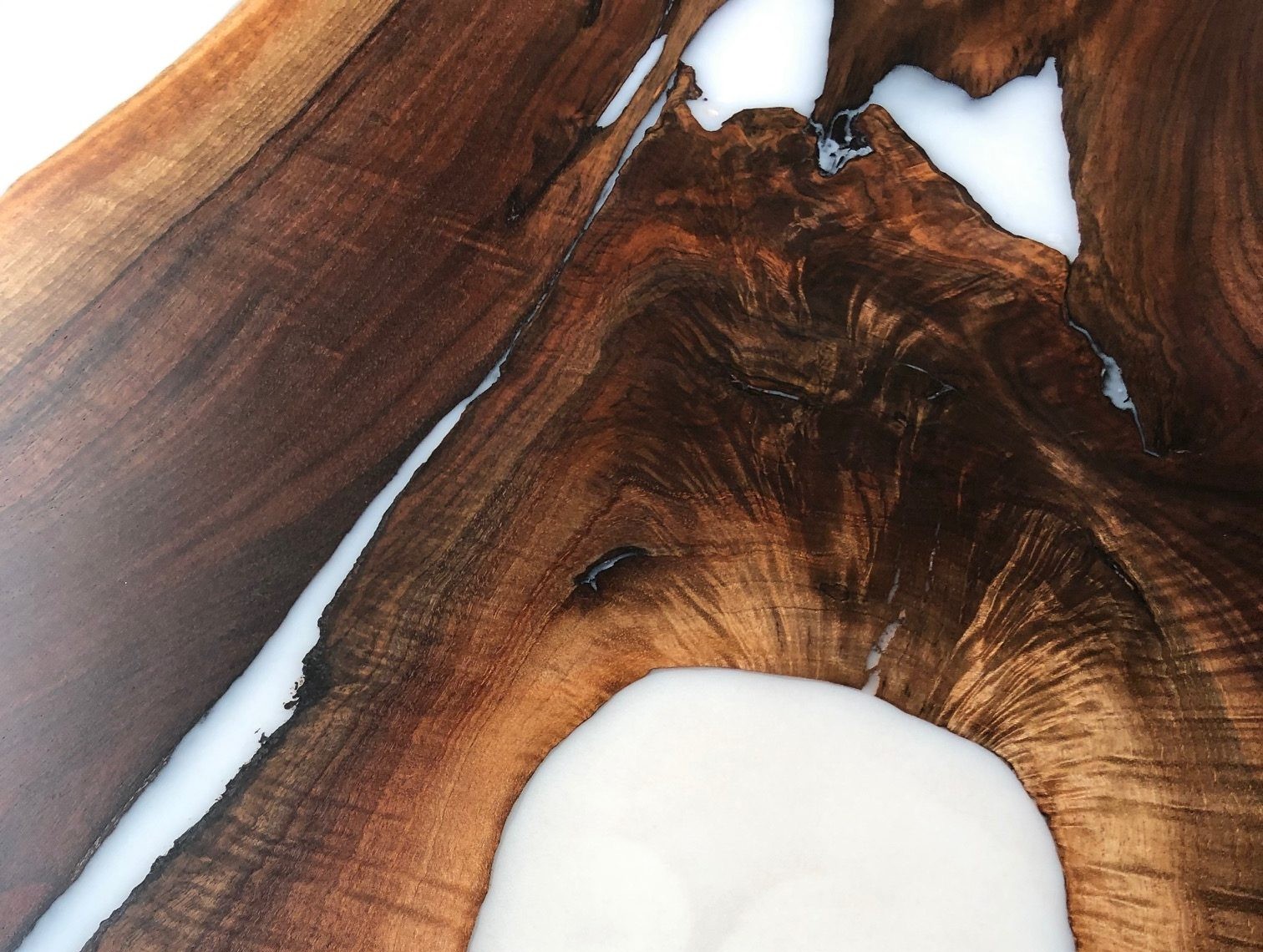
Many live edge pieces include epoxy to fill cracks, voids, knots, or natural openings. Epoxy can also be used in river tables and other custom designs.
Because wood is a natural material and epoxy is a different material, they can react differently to temperature, humidity, and seasonal changes. Over time, slight movement may appear where epoxy and wood meet.
Minor shifting or small changes are not necessarily a reason to panic. A well-built piece should account for natural wood movement, but the table still exists in a real environment where humidity and temperature change.
If epoxy movement becomes severe, causes major cracking, lifts significantly, or creates a functional issue, the piece should be evaluated and repaired.
7) Understand the Natural Characteristics of Live Edge Wood
Live edge furniture is made from real wood, so it will not behave like plastic, laminate, metal, or factory-made composite furniture. Small cracks, slight finish wear, seasonal movement, or minor imperfections can happen over time.
The good news is that solid wood is repairable. Many small issues can be corrected with light sanding, filler, finish touch-up, or surface maintenance. Unlike thin veneer or laminate furniture, a solid slab usually has enough material to be refreshed and repaired over time.
This is part of what makes live edge furniture valuable. It is not disposable. With proper care, it can be maintained, refinished, and enjoyed for decades.
Final Thoughts
Live edge furniture is both functional furniture and natural art. It brings the shape, color, grain, and story of the tree into your home or business.
It may require a little more care than mass-produced furniture, but the effort is simple and worthwhile. Keep the room environment stable, clean the surface gently, avoid harsh chemicals, protect the piece from direct sunlight and heat, and understand that natural wood can move slightly over time.
With the right care, a live edge table, bar top, countertop, desk, shelf, or custom furniture piece can provide years of beautiful everyday use.
Buy Live Edge Furniture Today
If you are looking for a custom live edge table, bar top, countertop, desk, mantel, shelf, or statement furniture piece, contact Makers Woodshop today. We can help you choose the right slab, finish, and design for your home or business.