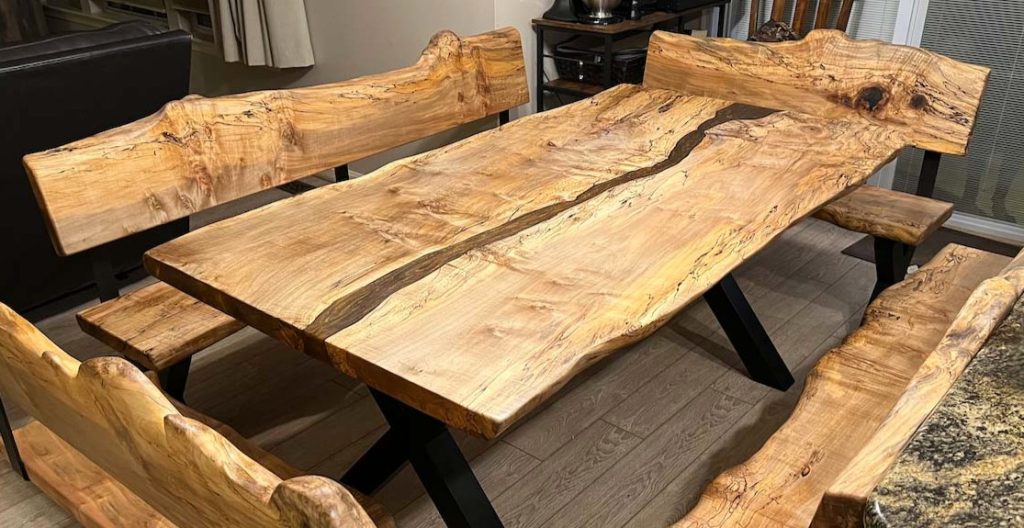

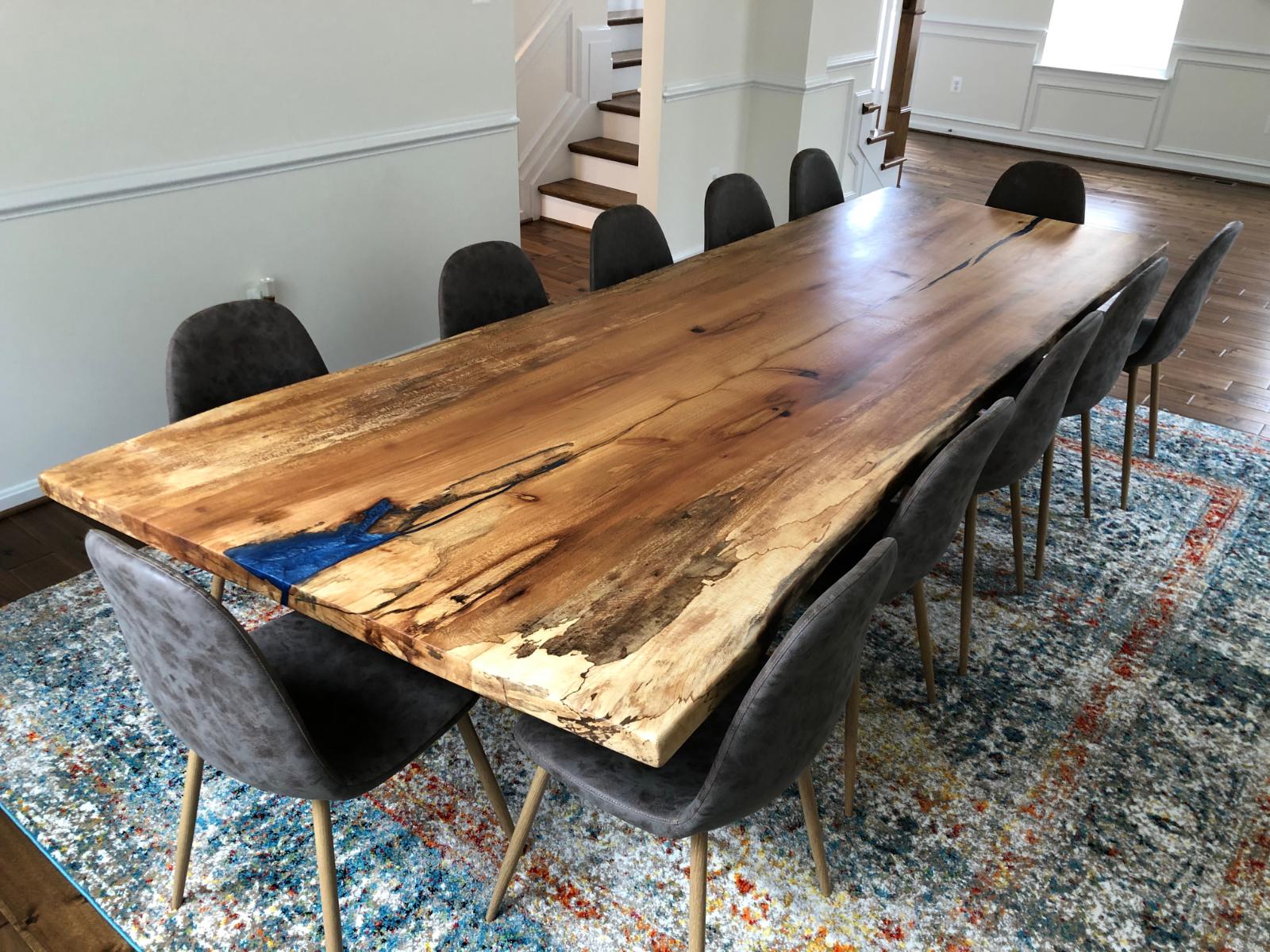
When choosing wood for a custom furniture or woodworking project, strength is one of the most important factors to consider. Color, grain, and appearance matter, but the wood also needs to be strong enough for the way the finished piece will be used.
Different wood species have different strength properties. Some are better at resisting dents and wear. Some are better at supporting weight. Some are more flexible, while others are stiffer. Understanding the basics of wood strength can help you choose the right material for a coffee table, dining table, bar top, countertop, shelf, chair, door, desk, or other custom project.
The success of a woodworking project often starts with the strength of the wood and whether it can handle the stress, weight, and daily use it will face for years.
Why Wood Strength Matters
Wood strength affects how long a finished piece will last. A cheaply made piece of furniture from a big-box store may not hold up the same way as a solid hardwood table, antique desk, or custom-built piece made from properly selected material.
That difference often comes down to the wood species, the way the piece was built, and the mechanical properties of the material.
If you want furniture to last, do not choose wood based only on color, popularity, or appearance. A beautiful wood still needs to be appropriate for the project. A shelf needs to resist sagging. Table legs need to handle compression. A tabletop needs to resist dents, wear, and movement. Chairs need strength where the joints and legs carry repeated stress.
Strength is not just one measurement. It includes hardness, stiffness, bending strength, compression strength, density, grain direction, and moisture content. All of these factors affect how the wood performs in real use.
Hardwood vs. Softwood
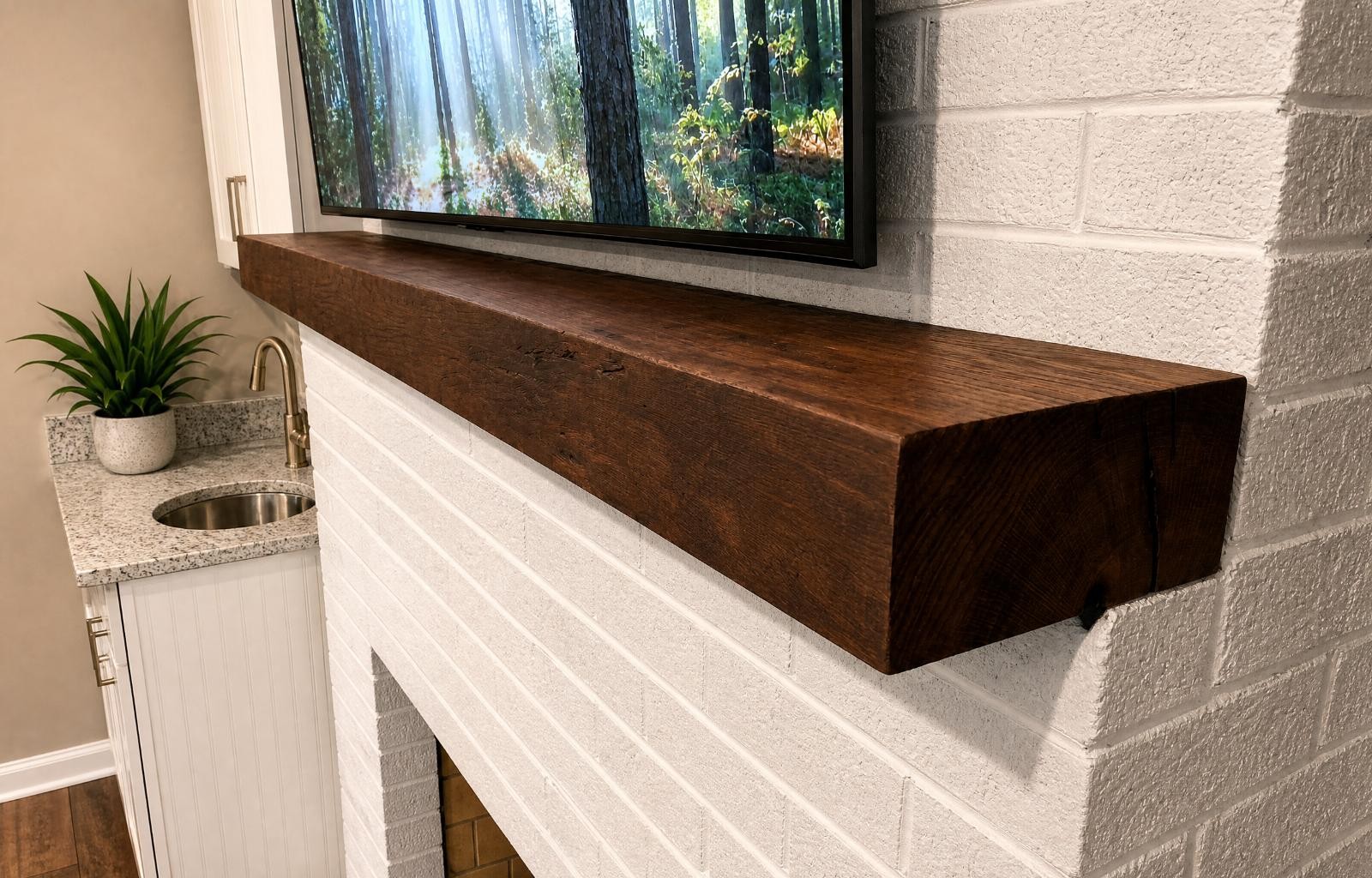
Wood species are often divided into two broad categories: hardwood and softwood. These terms can be confusing because they do not always describe how hard or soft the wood actually is.
A hardwood comes from a tree that produces seeds with a covering, such as a fruit, shell, or nut. Examples include oak, ash, walnut, maple, cherry, and poplar. Interestingly, balsa is also considered a hardwood, even though it is extremely lightweight and soft.
A softwood comes from a tree that produces uncovered seeds, often in cones. These are usually evergreen trees, such as pine, cedar, spruce, fir, and Douglas fir.
In general, hardwoods are often chosen for fine furniture, tables, counters, flooring, and projects that need strength and durability. Softwoods are often easier to grow, easier to work, and commonly used for framing, outdoor structures, paneling, and other practical applications.
However, there are always exceptions. Some softwoods are stronger than certain hardwoods, and different species within the same category can vary greatly. For example, yellow pine is stronger and harder than white pine. This is why it is better to look at the actual properties of the species rather than relying only on the hardwood or softwood label.
Factors That Impact the Strength of Wood
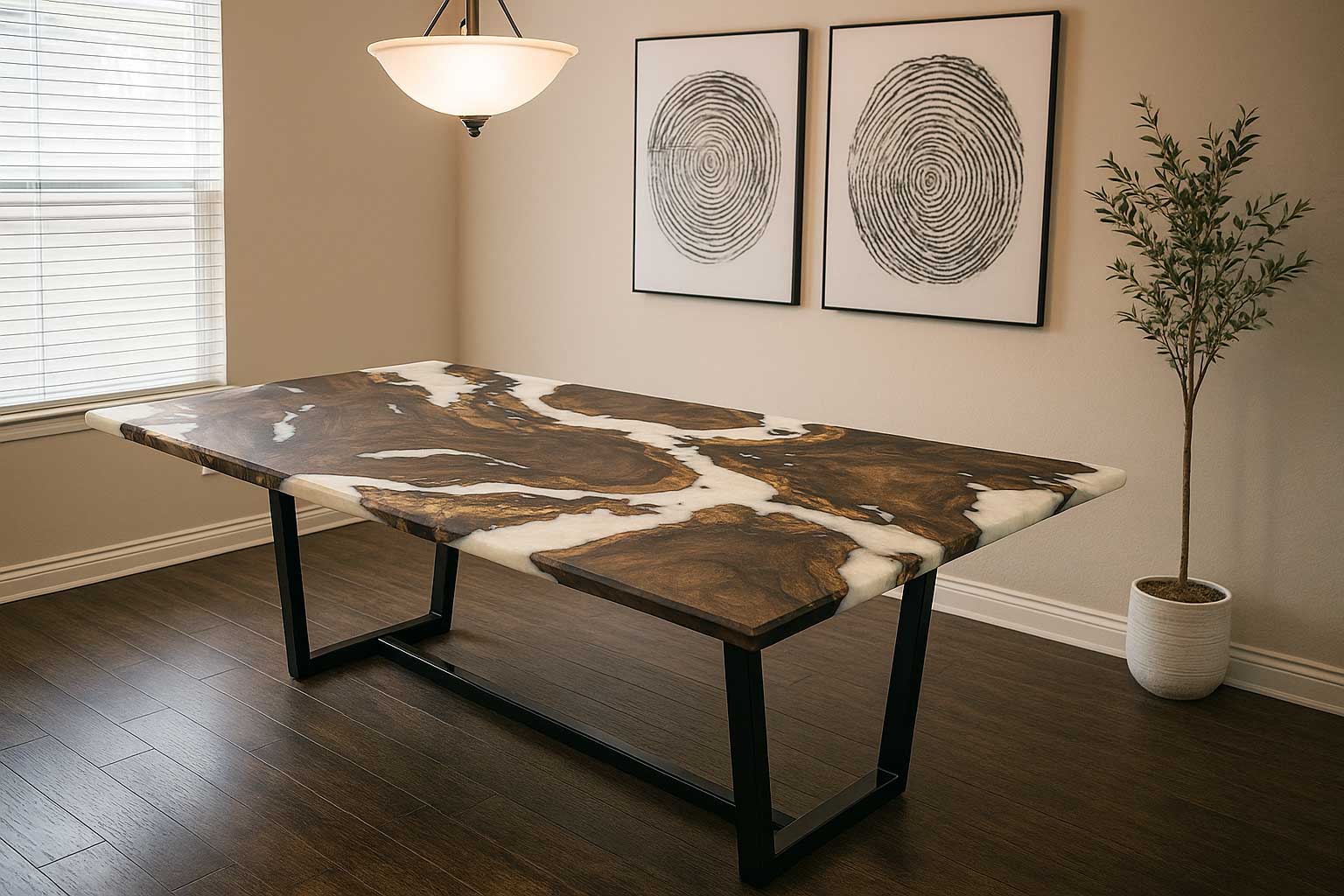
Wood strength depends on several different properties. Each one helps explain how the wood will behave under pressure, weight, impact, bending, or daily wear.
1) Grain Direction
Grain direction is one of the most important factors in wood strength. Wood is usually strongest when force runs parallel to the grain. It is more vulnerable when force is applied across or perpendicular to the grain.
This matters when designing furniture, shelves, legs, supports, joinery, and structural parts. A board may be very strong in one direction but much weaker in another.
Straight grain is usually stronger and more predictable. Uneven grain, knots, cracks, checks, and other defects can weaken the wood or create areas where stress may concentrate.
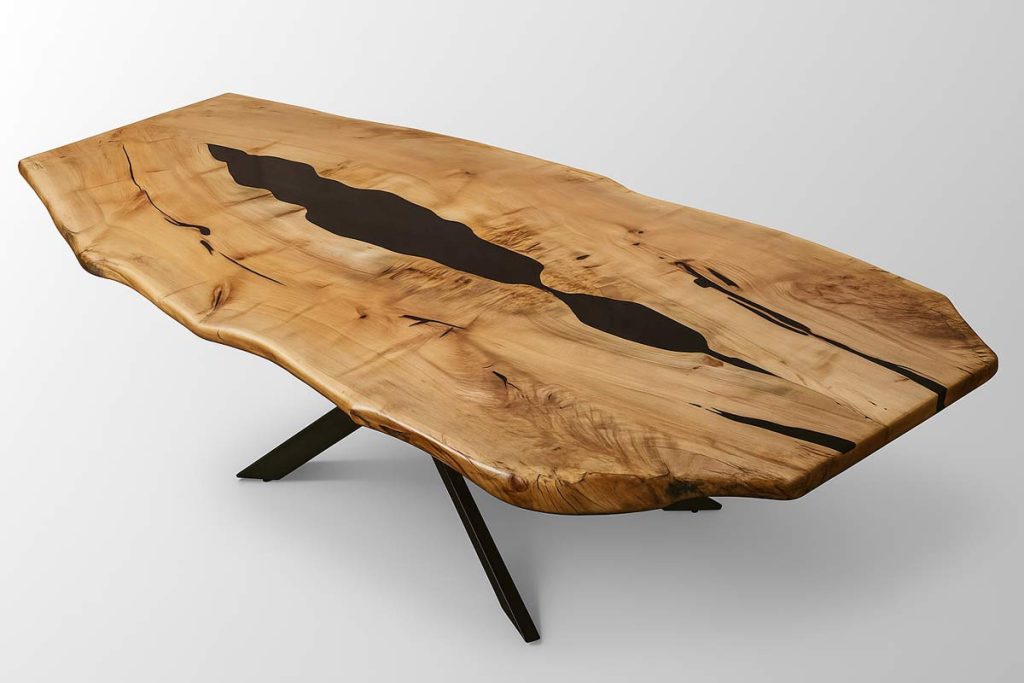
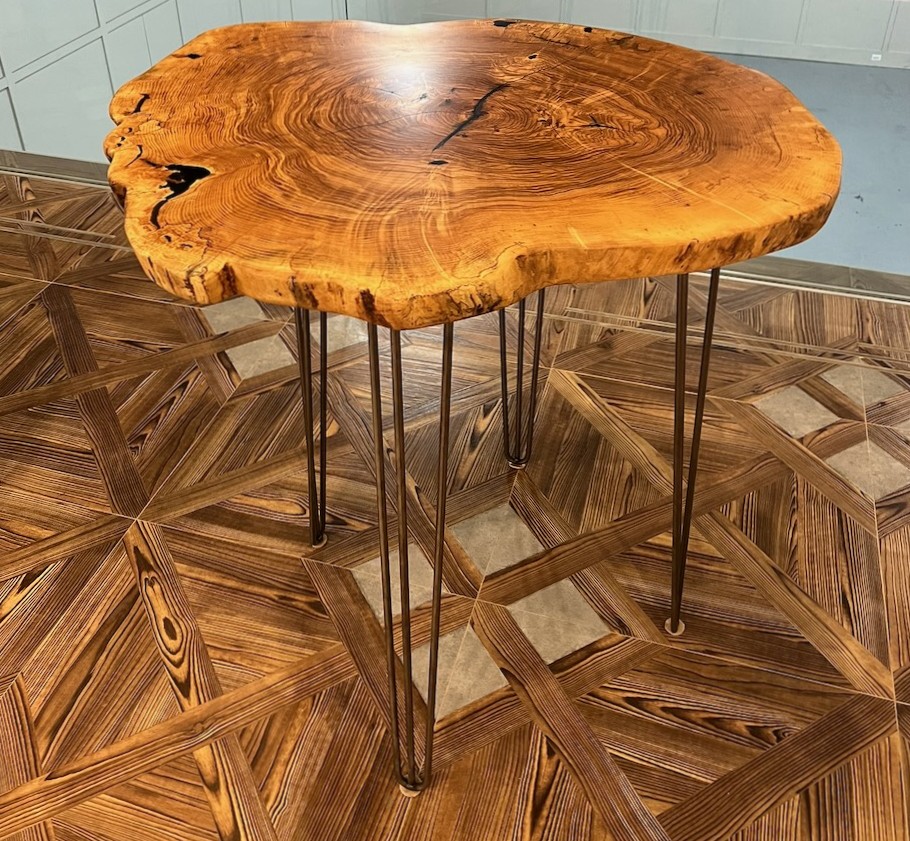
That does not mean knots and irregular grain are always bad. In live edge furniture, those features often add beauty and character. But they need to be understood, stabilized, or placed carefully so they do not compromise the finished piece.
2) Specific Gravity and Density
Specific gravity is a way to measure wood density. It compares the weight of a piece of wood to the weight of the same volume of water. In general, wood with a higher specific gravity is denser and often stronger.
Density affects many parts of performance. Denser woods usually resist dents better, hold fasteners more securely, and feel heavier and more substantial. Lighter woods may be easier to move, cut, and shape, but may not perform the same way under heavy wear.
Moisture content also affects wood density and strength. Wood changes as it gains or loses moisture, which is why proper drying is so important. USDA Forest Products Laboratory references note that wood properties vary with moisture content and specific gravity.
For furniture, slabs and lumber should be properly air dried, kiln dried, or both before being built into a finished piece. In many indoor furniture applications, lower moisture content is preferred so the wood is more stable once it is in a home or business.
3) Compression Strength
Compression strength describes how much force wood can handle when it is being pressed or squeezed. This is especially important for furniture parts that carry weight vertically.
Table legs, chair legs, bench supports, cabinet frames, and structural bases all rely on compression strength. If the wood is not strong enough in compression, the fibers can eventually crush, collapse, or deform under pressure.
Compression strength is often measured parallel to the grain because many furniture components carry load in that direction. Stronger woods are better suited for parts that must support heavy or repeated weight.
4) Bending Strength
Bending strength describes how well a wood can resist breaking when a load is applied across it. This is often called the modulus of rupture.
Bending strength matters for shelves, tabletops, benches, chair parts, and any piece that spans a distance while supporting weight. A long shelf, for example, needs enough bending strength to avoid cracking or breaking under load.
For tables, bending strength is also important because large tops can experience stress across their width and length. The size of the piece, thickness of the slab, support design, and wood species all affect how well the finished project performs.
5) Stiffness
Stiffness describes how much wood bends or sags under weight. A wood can be strong enough not to break, but still flexible enough to sag if the span is too long or the load is too heavy.
Stiffness is often measured as the modulus of elasticity. A higher modulus of elasticity means the wood is stiffer and less likely to bend under load.
This is important for shelves, desks, countertops, benches, and tabletops. If a surface needs to span a long distance, the wood species, thickness, support structure, and base design all need to work together.
A thick slab may feel strong, but if the span is too long without support, sagging can still become a problem over time.
6) Hardness
Hardness refers to how well wood resists dents, wear, and surface damage. The most common way to measure wood hardness is the Janka hardness test.
The Janka test measures the amount of force required to press a steel ball halfway into a piece of wood. The higher the number, the harder the wood is.
Hardness is especially important for tabletops, countertops, flooring, bar tops, desks, and other surfaces that see regular contact. A harder wood is generally more resistant to dents from daily use, but finish choice and maintenance also play an important role.
Hardness does not tell the whole story, though. A wood can be hard but not ideal for every application. It still needs to be considered alongside grain, stiffness, moisture content, movement, and overall design.
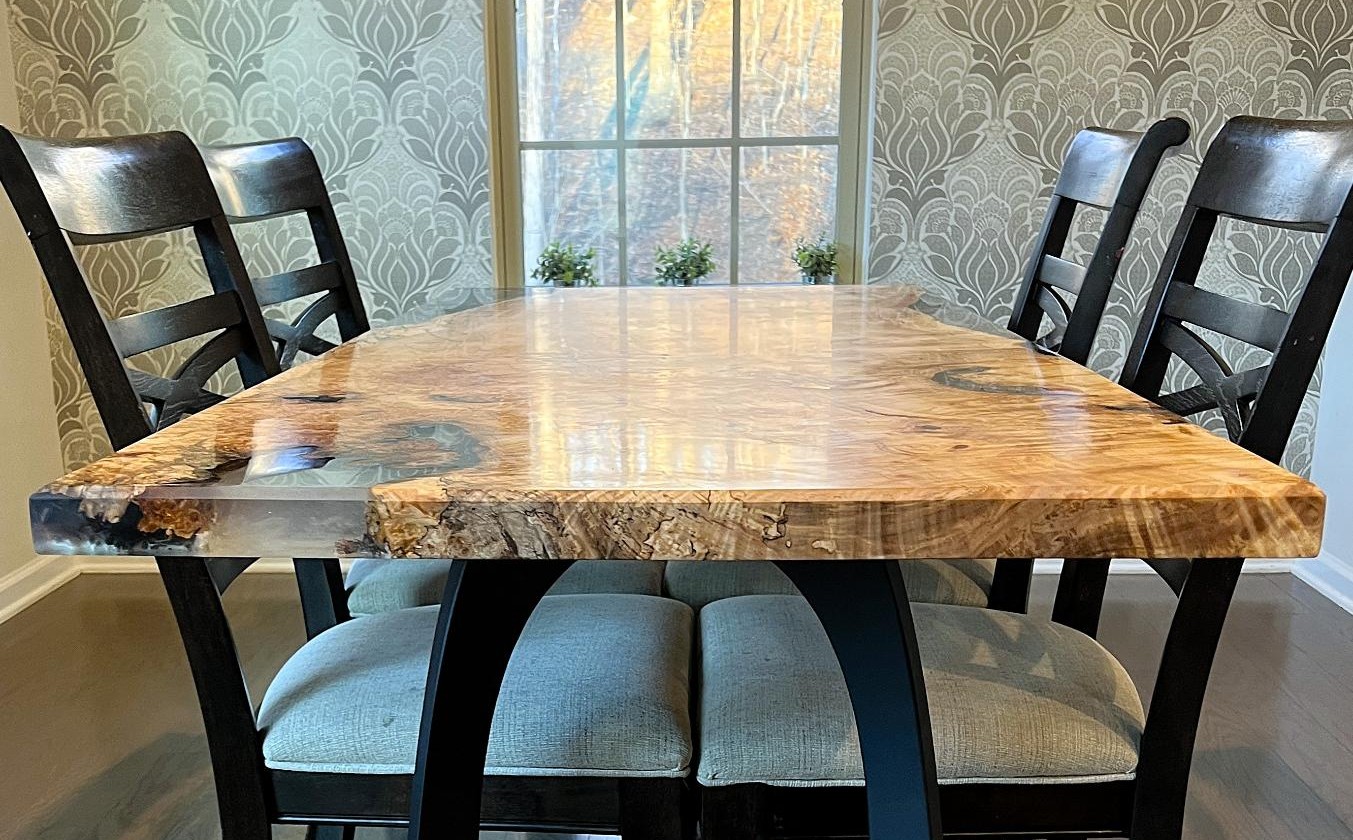
Choosing the Right Wood for the Project
The best wood depends on what you are building.
For dining tables, bar tops, countertops, and desks, you usually want a wood that offers a good balance of strength, hardness, stability, and visual appeal.
For shelves and benches, stiffness and bending strength are especially important.
For table legs, chairs, and bases, compression strength and joint strength matter.
For decorative pieces, wall art, and accent furniture, appearance may matter more than heavy-duty strength.
Common hardwoods such as walnut, maple, oak, ash, cherry, and elm are often chosen for furniture because they offer a strong balance of beauty and performance. Softer or more lightweight woods can still be useful, but the design and intended use need to match the material.
Woodworking Is Both Art and Science
Choosing wood is not only about looks. It is also about understanding how the material will perform over time.
A custom furniture project should account for load, stress, grain direction, thickness, moisture content, hardness, stiffness, and the way the piece will be used. A wood species that works beautifully for wall art may not be the best choice for a heavily used bar top. A slab that looks dramatic may still need stabilization, proper drying, or extra support.
That is why it helps to work with a woodworker who understands both the design side and the material side of the project.
Final Thoughts
Wood strength is one of the most important parts of choosing the right species for a project. Hardness, stiffness, compression strength, bending strength, density, grain direction, and moisture content all affect how a finished piece performs.
The right wood should match the design, the function, and the daily demands of the finished piece. When strength and appearance are considered together, the result is furniture that is not only beautiful but built to last.
For custom tables, bar tops, countertops, shelves, desks, mantels, or live edge furniture, choosing the right wood species is the first step toward a piece that can handle years of use. Contact us for any questions you have regarding your next project.