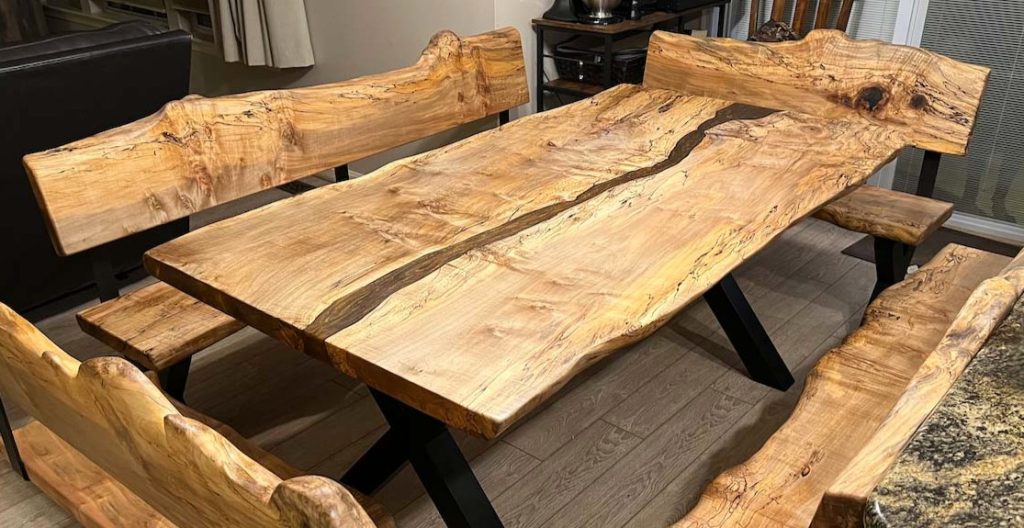
A beautiful wood table is often one of the most important statement pieces in a home. Whether it is a dining table, coffee table, desk, or bar top, protecting the surface is one of the best ways to keep it looking great for years.
Wood is durable, but it is still a natural material. Spills, scratches, dust, moisture, heat, sunlight, and daily use can all affect the surface over time. The right care and finish can help protect the table from stains, dents, and long-term damage.
Protecting and sealing your wood table helps it remain a sturdy, attractive centerpiece for daily meals, work, gatherings, and everyday life. Here are a few important things to know about keeping your wood table in good condition.
The Types of Wood Used to Make Tables
When choosing wood for a table, furniture makers have to balance appearance, durability, grain, color, and how well the wood will handle daily use.
Hardwoods like maple, oak, walnut, cherry, and ash are common choices because they offer attractive grain patterns and strong durability. These woods are often used for dining tables, desks, counters, and other surfaces that need to stand up to regular wear.
Pine is also used for some table projects, especially lower-budget or rustic pieces. However, pine is softer than many hardwoods, which means it can dent, scratch, and show wear more easily. Softer woods often need extra care and protection to continue looking their best.
Other domestic or specialty hardwoods can also make beautiful tables, but it is helpful to talk with a woodworking professional before choosing an unfamiliar species. Different woods respond differently to moisture, stain, finish, sanding, and everyday use.
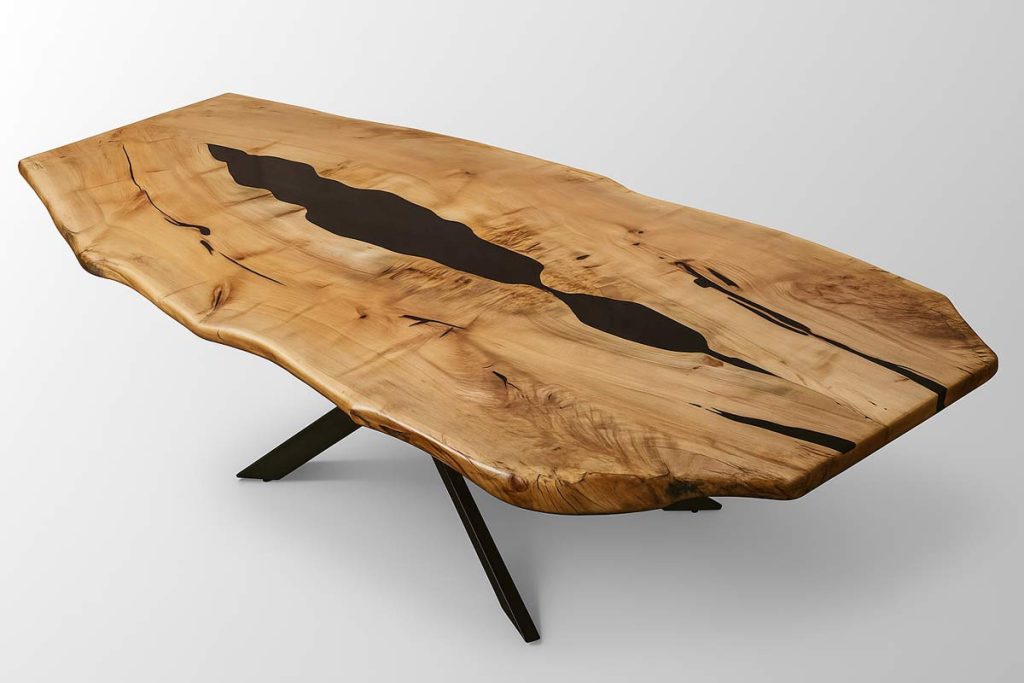
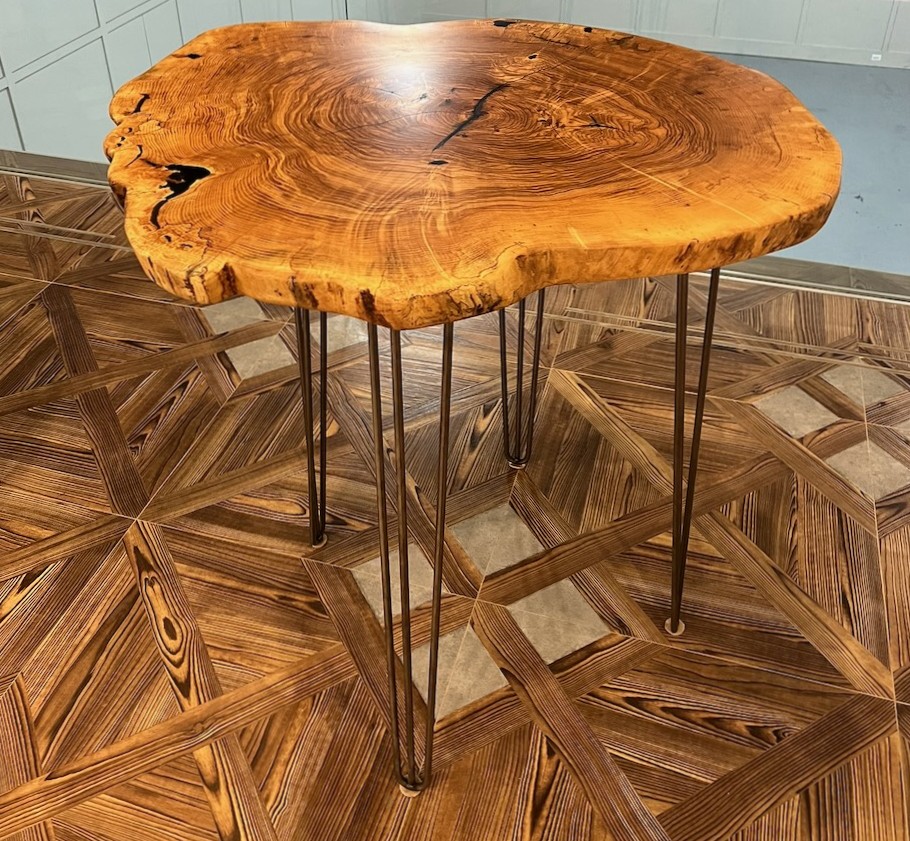
The type of wood you choose should affect the way you protect it. A heavily used dining table, a decorative coffee table, and a live edge bar top may all need different finish and maintenance plans.
Why It Is Important to Protect a Wood Table
Wood is strong, but when left untreated or poorly maintained, it can be affected by its environment.
Too much moisture can cause wood to swell, stain, warp, or move. Very dry conditions can cause shrinking or cracking. Dust and grit can create small scratches on the surface. Water, wine, coffee, food, and other substances can leave marks if they sit too long. Softer woods will also dent and get dinged more easily than harder species.
A good protective finish helps seal the surface, slow moisture absorption, reduce staining, and make the table easier to clean. Protection is especially important for tables that are used every day, such as dining tables, kitchen tables, desks, bar tops, and coffee tables.
How to Protect a Wood Table Day to Day
Protecting a wood table starts with simple daily habits.
Use a soft, lint-free or microfiber cloth to remove dust from the surface. Dust may seem harmless, but when it builds up, it can act like a fine abrasive and create small scratches over time.
For occasional cleaning, use a soft damp cloth with a small amount of mild dish soap if needed. Avoid soaking the wood. After cleaning, wipe the surface dry with a clean towel so moisture does not sit on the finish.
Before using any cleaner, make sure it is safe for the type of finish on your table. Harsh cleaners, strong degreasers, ammonia-based products, abrasive pads, and heavy chemical sprays can damage many wood finishes.
Coasters, placemats, trivets, and table pads can also help protect the surface from heat, moisture rings, scratches, and heavy use.
Long-Term Protection for Wood Tables
Daily cleaning is important, but long-term protection usually comes from the finish. A good finish helps seal the surface and makes it easier to wipe away dust, spills, and other substances before they cause damage.
There are several common ways to seal and protect a wood table. The right choice depends on the type of wood, the way the table will be used, the look you want, and how much maintenance you are willing to do over time.
1) Natural Oil and Hard Wax Oil Finishes
At Makers Woodshop, we primarily use three hard-wax oil finishes: Rubio Monocoat, Odie’s Oil, Osmo. Rubio Monocoat is our most frequently used finish, but we have worked with all three products for years and appreciate that they are much simpler to apply and maintain than traditional polyurethane.
These finishes are made from blends of natural oils and waxes and, once cured, are food-safe for everyday use. Rubio Monocoat also offers an optional accelerator that helps speed up the hardening and curing process.
Application is straightforward: the oil is spread across the surface, allowed to absorb into the wood for about 5–10 minutes, and then buffed off. Once buffed, the wood feels dry to the touch, and the finish reaches its full hardness and water resistance within about seven days.
Unlike polyurethane, which forms a plastic-like film on top of the wood, hard-wax oils soak into the surface. They typically leave a natural matte-to-satin sheen, which makes future maintenance much easier. Instead of stripping the entire piece down to bare wood, a light sanding and fresh coat of oil are usually all that is needed to restore the table’s original beauty.
The main downside is that oil finishes generally offer limited UV protection. If the furniture is placed outdoors or exposed to direct sunlight for long periods of time, the wood color may gradually fade over time.
2) Shellac
Shellac is a traditional wood finish that can create a clear, warm, moisture-resistant barrier. It is often used on lighter woods because it can bring out warmth and depth in the grain.
Shellac dries quickly and can be useful in certain woodworking situations, especially when a fast-sealing layer is needed. However, it is not always the best choice for heavy long-term use compared with more durable table finishes.
For tables that see frequent spills, heat, and daily wear, shellac may not provide the same level of protection as polyurethane or other more durable finishes. Still, it can be a useful option for certain projects when used correctly.
3) Polyurethane Finishes
Polyurethane is a common choice when a table needs strong surface protection. It creates a hard clear film over the wood, helping protect the surface from moisture, stains, and wear.
Oil-based polyurethane can be especially durable and is often used on tables, bar tops, and surfaces that may see frequent spills or heavier use. It should be applied carefully in thin coats, allowing each coat to dry properly before adding the next.
One thing to consider is appearance. Polyurethane creates more of a visible surface layer than natural oil finishes. Over time, some clear film finishes can yellow, cloud, scratch, or show wear. If the finish needs to be repaired, it may require more surface preparation than an oil finish.
For outdoor use or direct sunlight, choose a product with UV protection and make sure it is rated for exterior exposure.
4) Furniture Wax
Furniture wax can add an extra layer of protection over certain finishes. Once it hardens, it can help protect the surface underneath from light scratches and everyday wear.
Wax is often used over natural oil finishes because the two can work well together. It can add a soft feel, slight sheen, and additional surface protection.
However, wax is not a substitute for a proper finish on a heavily used table. It works best as a maintenance layer or added protection over a finish that is already appropriate for the table’s use.
Before applying wax over an existing finish, make sure the products are compatible.
Keep Your Wood Table Beautiful for Years
Protecting a wood table comes down to understanding the wood, the finish, and how the table will be used. A dining table that sees daily meals may need different protection than a decorative console table or lightly used coffee table.
Always read the instructions on any finish, oil, wax, cleaner, or sealant before applying it. The wrong product can damage the surface or make future refinishing more difficult.
If you are unsure what finish is on your table or how to maintain it, ask a woodworking professional before applying anything new. A little guidance can help prevent costly mistakes and keep your table looking beautiful for years.
Final Thoughts
A wood table is worth protecting. With regular dusting, gentle cleaning, quick spill cleanup, and the right long-term finish, your table can remain beautiful, functional, and durable through years of use.
Whether your table is made from walnut, maple, oak, cherry, ash, pine, or a live edge slab, the right care routine will help preserve the natural beauty of the wood and protect the surface from everyday life. Contact Makers Woodshop if you have any questions about properly protecting your next project.