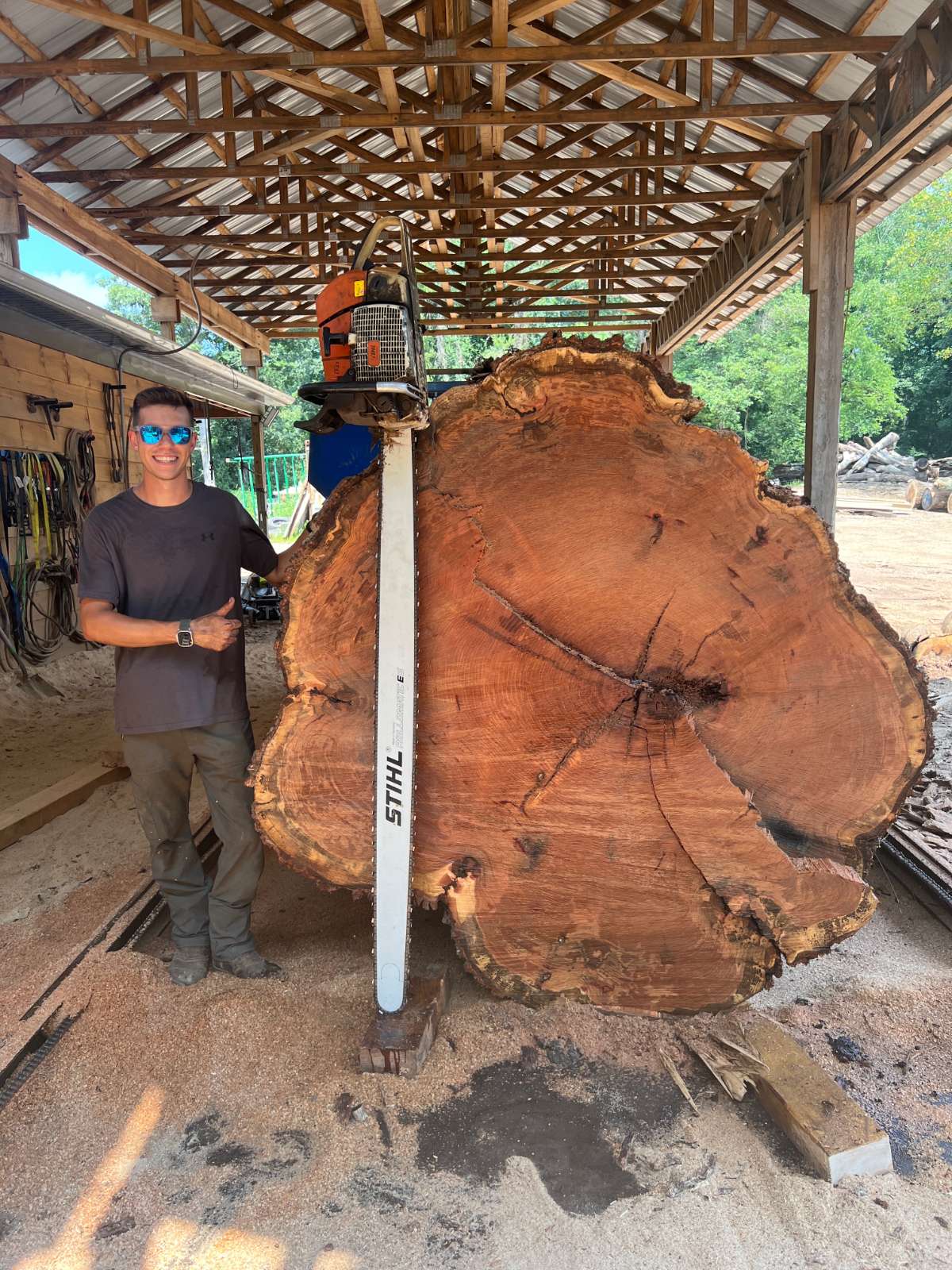
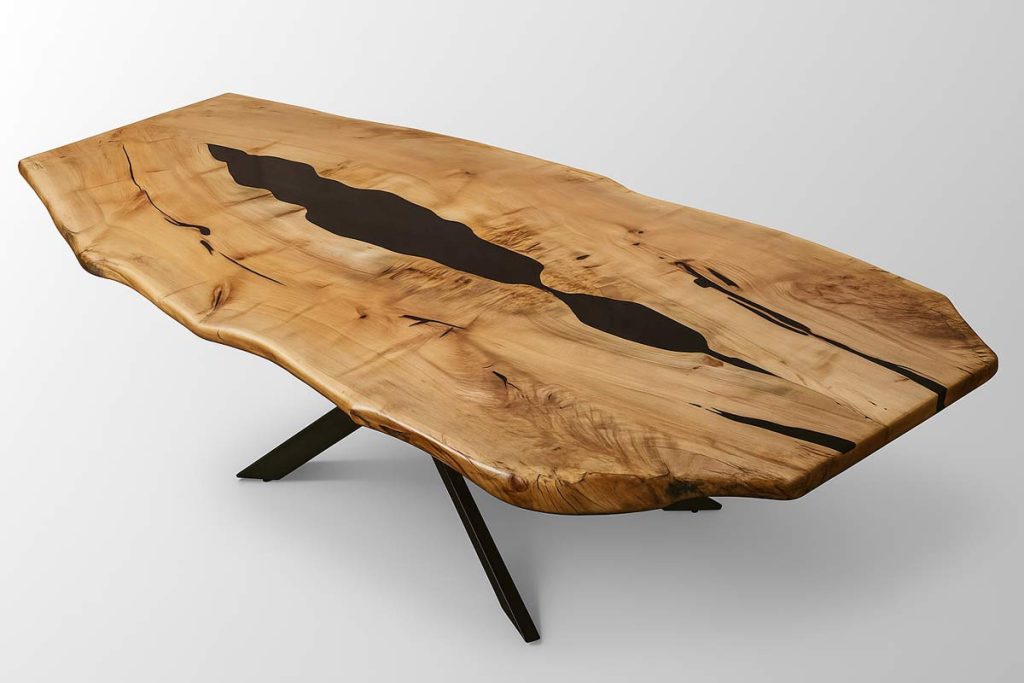
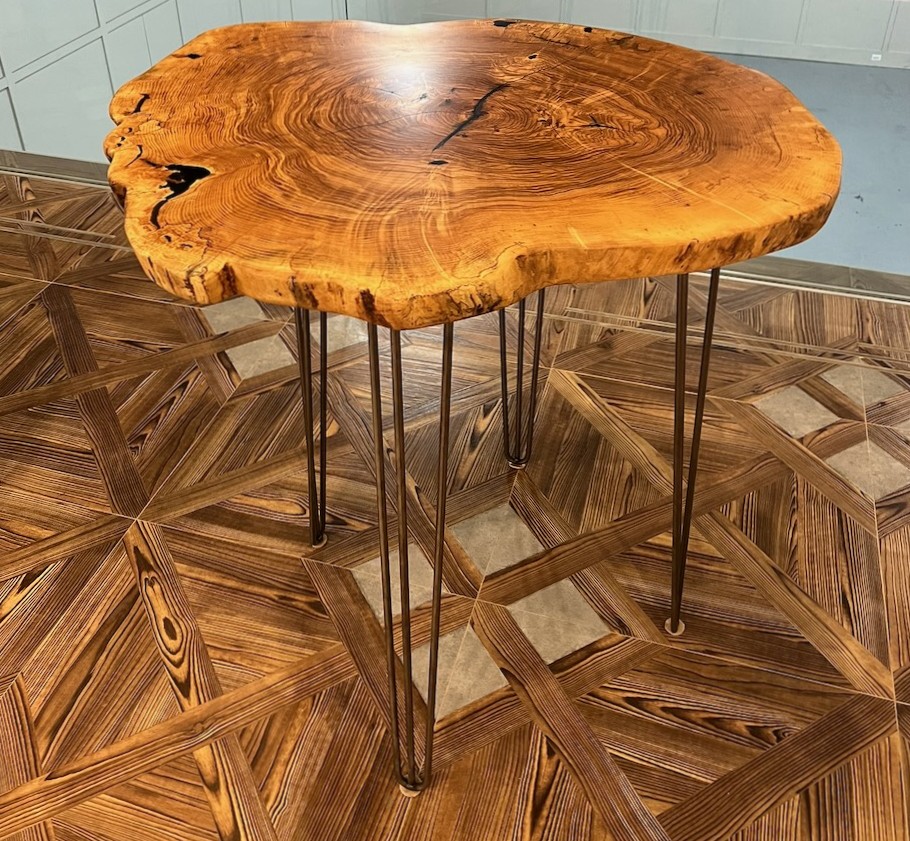
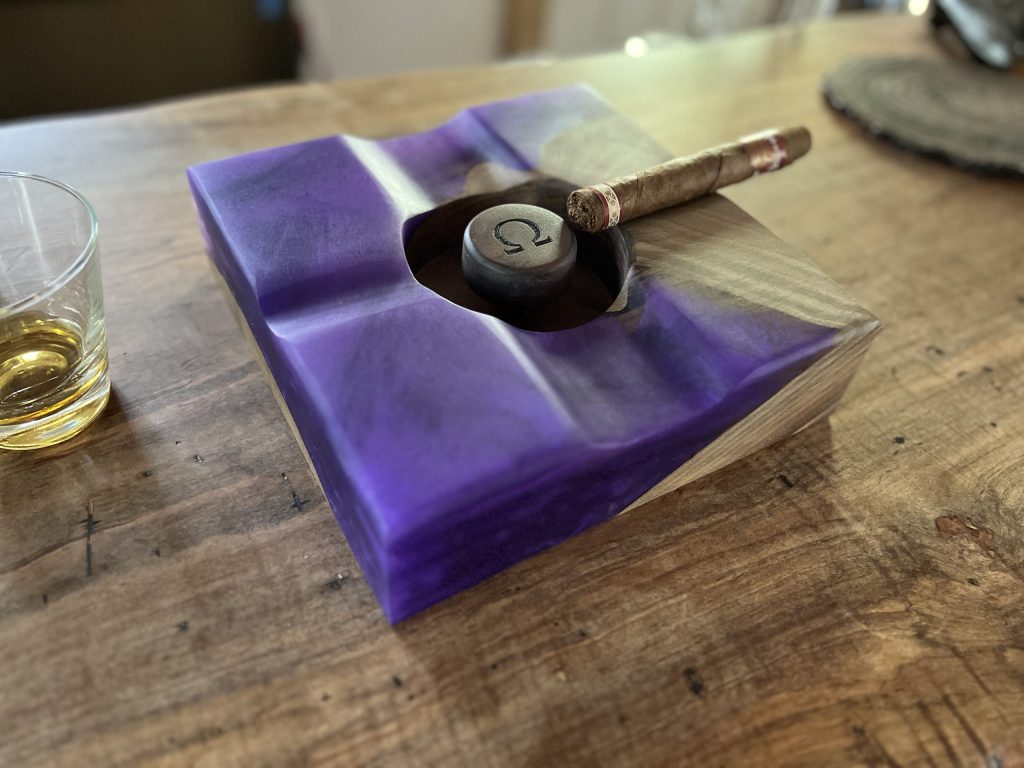
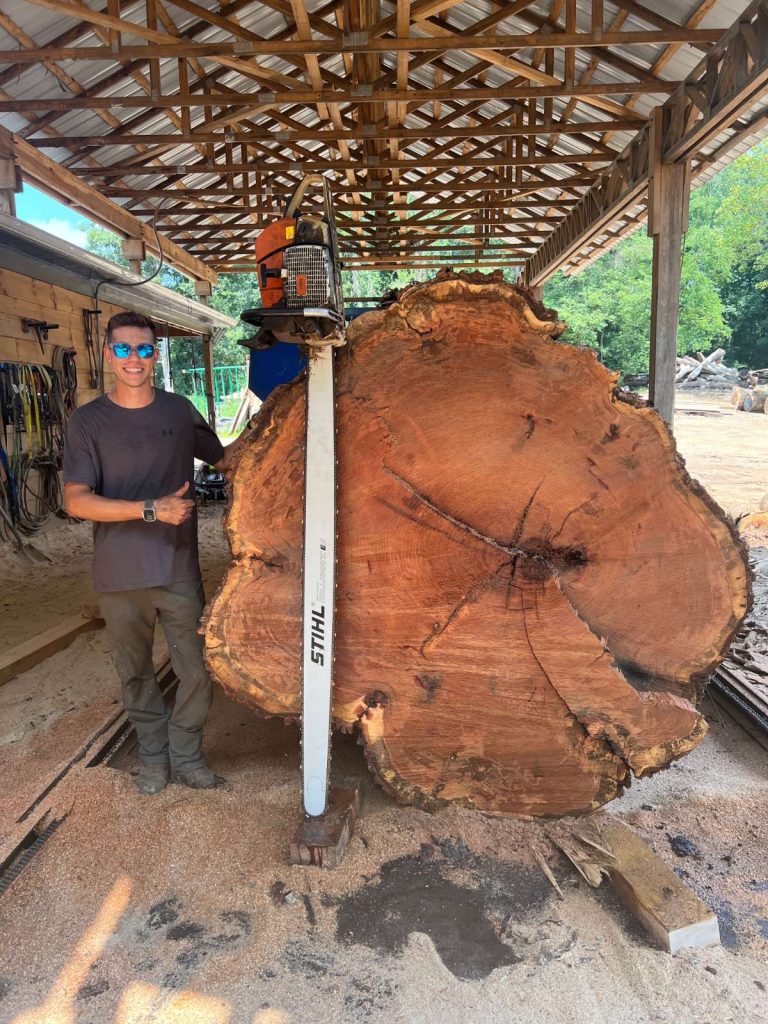
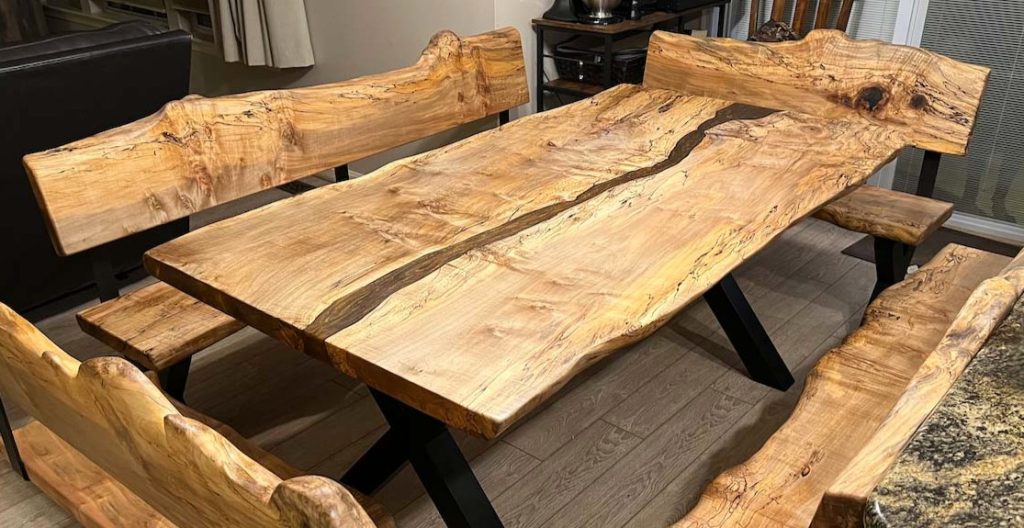
Live edge slabs have become a popular choice for woodworking projects because they offer a natural, organic look that cannot be found in standard lumber. Each slab has its own shape, grain, color, knots, and edge movement, which makes it ideal for custom tables, bars, countertops, shelves, desks, and statement pieces.
Before heading to a local wood shop to purchase live edge wood, there are a few important factors to consider. The right slab should not only look beautiful, but also be suitable for the project, properly dried, structurally sound, and sourced from a shop that understands how to work with live edge material.
1) How to Find the Best Quality Wood Shops for Live Edge Wood Products
When searching for live edge slabs, it is important to find a wood shop that specializes in these unique materials. Live edge wood is different from standard dimensional lumber because each piece needs to be evaluated for shape, thickness, drying, defects, and final use.
Look for a shop that has experience cutting, drying, surfacing, and finishing live edge slabs. A quality wood shop should be able to explain the species, drying process, thickness, and best applications for each slab. They should also understand how the wood will behave once it is turned into a finished project.
It is also helpful to look at customer reviews, past projects, and the shop’s reputation in the woodworking industry. Reviews can give insight into both the quality of the shop’s workmanship and the level of customer service you can expect.
2) Key Factors to Take into Account Before Purchasing Live Edge Wood Slabs
Once you have found a reliable wood shop, there are several important details to consider before purchasing a live edge slab.
Wood Species:
Different wood species have different colors, grain patterns, hardness levels, and finishing characteristics. Walnut, cherry, maple, ash, oak, elm, poplar, cedar, and other species all create a different look and feel. Some woods are darker and more refined, while others are lighter, more rustic, or more colorful.
Before choosing a slab, consider the final project and the style of the space. A dining table may call for a strong, durable hardwood. A coffee table or wall art piece may allow for more unusual color, cracks, voids, or epoxy features.
Thickness
Thickness is another important factor. A slab should be thick enough for the intended use, but it is also important to remember that rough slabs usually lose material during flattening, sanding, and finishing.
A slab that looks thick at first may finish thinner once it is surfaced. For dining tables, bar tops, countertops, and desks, the finished thickness should match both the look and strength needed for the project.
Defects and Natural Features
Every live edge slab should be examined closely for knots, cracks, splits, voids, bark inclusions, soft areas, and other natural features. Some of these details add beauty and character, while others may affect the structure of the piece if they are not handled correctly.
The goal is not to avoid every imperfection. In live edge woodworking, natural features are often part of what makes the slab special. The important question is whether those features can be properly stabilized, filled, reinforced, or incorporated into the final design.
3) Why Kiln Drying Is Essential for a Successful Woodworking Project
Kiln drying is one of the most important steps in preparing live edge wood for furniture and finished projects. Freshly cut wood contains moisture, and if that moisture is not removed properly, the slab can warp, crack, twist, cup, or move after the project is complete.
Kiln drying helps remove excess moisture in a controlled way. This makes the wood more stable and better suited for indoor use. A properly dried slab is less likely to experience major movement after it has been turned into a table, bar top, countertop, or other finished piece.
Kiln-dried wood can also reduce the chance of mold or mildew growth and helps prepare the slab for surfacing, sanding, epoxy work, staining, and finishing.
It is important to remember that different species and slab thicknesses may require different drying times. Some woods dry more quickly, while others need more time and care. Before purchasing live edge wood, ask whether the slab has been kiln-dried and whether it is ready for the type of project you have planned.
4) Evaluating Wood Shops When Shopping for Live Edge Wood and Dimensional Lumber
Before committing to a purchase, it is wise to evaluate the overall quality, inventory, and services offered by the wood shop.
A good supplier should have a variety of slabs and lumber available in different species, widths, thicknesses, and styles. Some shops may specialize in certain types of wood or specific finished products, so it is worth asking about their selection before making a decision.
Important questions to ask include:
- Does the shop carry a variety of wood species?
- Do they offer live edge slabs in different sizes and thicknesses?
- Can they provide custom cuts or sizing?
- Can they surface, flatten, or plane the slab?
- Do they offer kiln drying?
- Can they help with epoxy filling, sanding, staining, or finishing?
- Can they give accurate pricing and timing for additional services?
- Can they help determine whether a slab is right for your specific project?
These questions matter because the slab itself is only part of the purchase. For many projects, the ability to cut, flatten, dry, finish, or customize the slab is just as important as the raw material.
5) Tips for Identifying the Highest Quality Live Edge Wood Slabs
Makers Woodshop is a trusted source for live edge slabs, hardwood lumber, and custom woodworking materials in Maryland. With our in-house sawmill, kiln drying, and wide selection of locally sourced wood, we help customers find the right material for everything from large custom builds to small DIY projects. Whether you need a statement slab, dimensional lumber, or guidance choosing the right species, our team is here to provide quality wood, fair pricing, and helpful service from start to finish. Contact us today to get started on your next woodworking project.