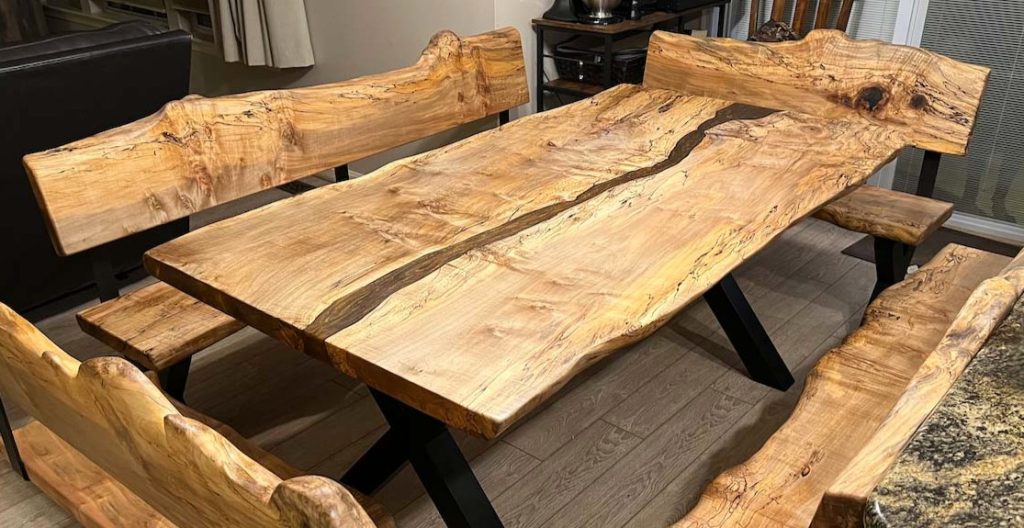

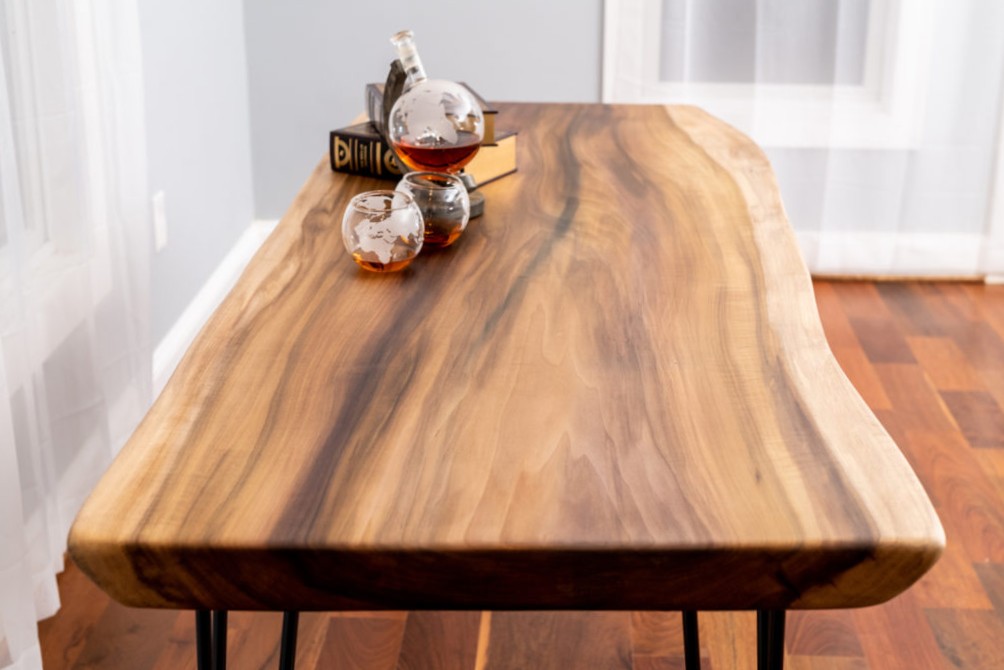
When you are new to woodworking, the number of wood options can feel overwhelming. One common question is the difference between dimensional lumber and live edge wood.
Both materials have their place. Dimensional lumber is useful when a project needs consistent size, straight edges, and uniform boards. Live edge wood is better when you want natural shape, organic movement, and one-of-a-kind character.
Choosing the wrong type of wood can make a project harder than it needs to be. Choosing the right one can make the process smoother and the finished piece much more successful.
What Is Dimensional Lumber?
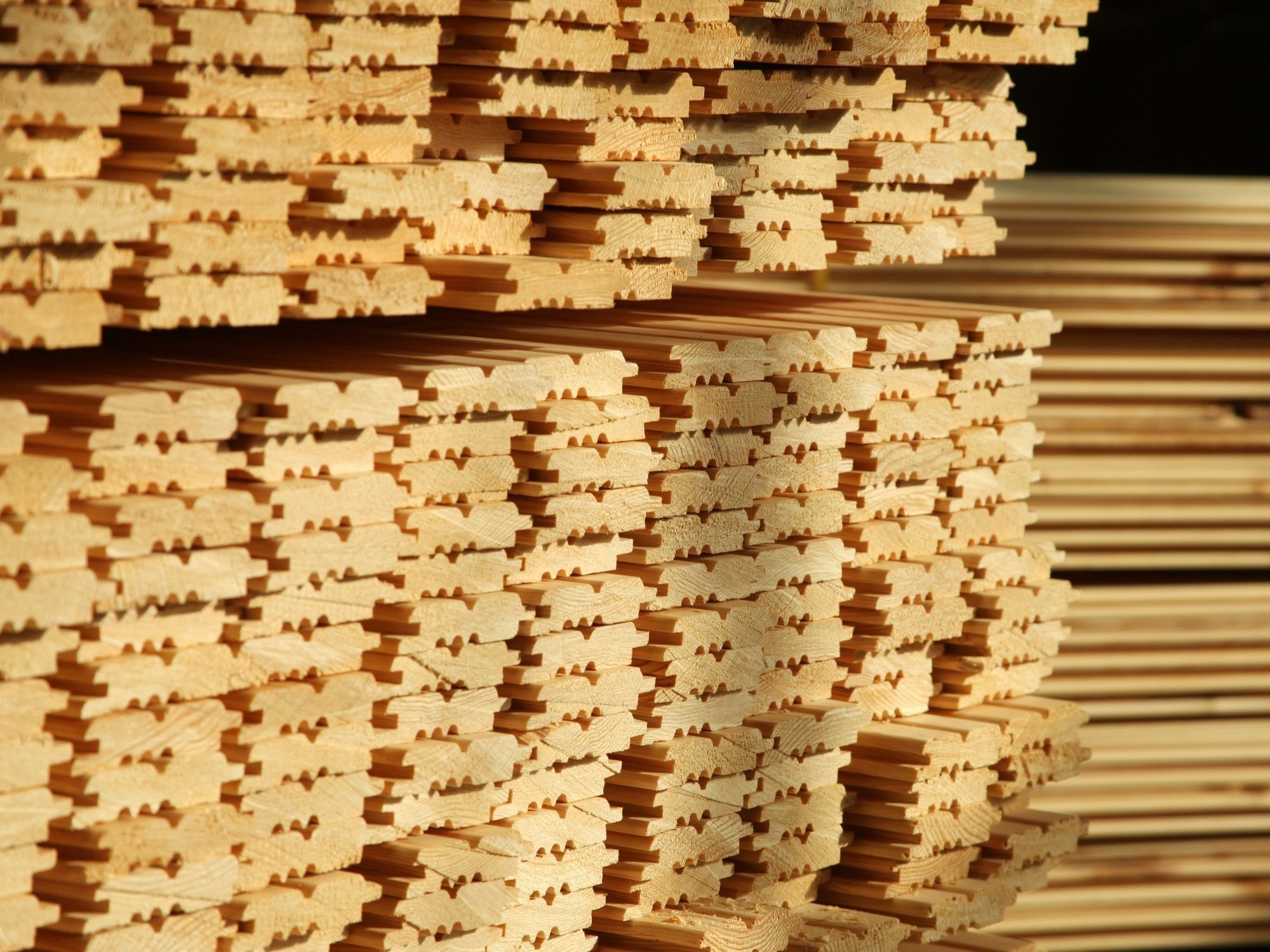
Dimensional lumber is the type of wood most people recognize from big-box hardware stores and lumber yards. These are boards that have been cut and processed into standard sizes, such as 2x4s, 2x6s, 1x4s, and other common dimensions.
Unlike raw wood slabs, dimensional lumber has already been cut, dried, and planed so the boards are relatively consistent. This makes it easier to use for construction, framing, renovations, and projects where uniform sizing is important.
One thing to understand is that the listed size of dimensional lumber is usually not the actual finished size. For example, a 2×4 does not usually measure a full 2 inches by 4 inches. The board starts closer to that size when it is first cut, but after drying and planing, the final board is smaller and more consistent.
That consistency is the main reason dimensional lumber is so useful. It allows builders and woodworkers to work quickly without needing to flatten, straighten, or size every board from scratch.
What Is Live Edge Wood?
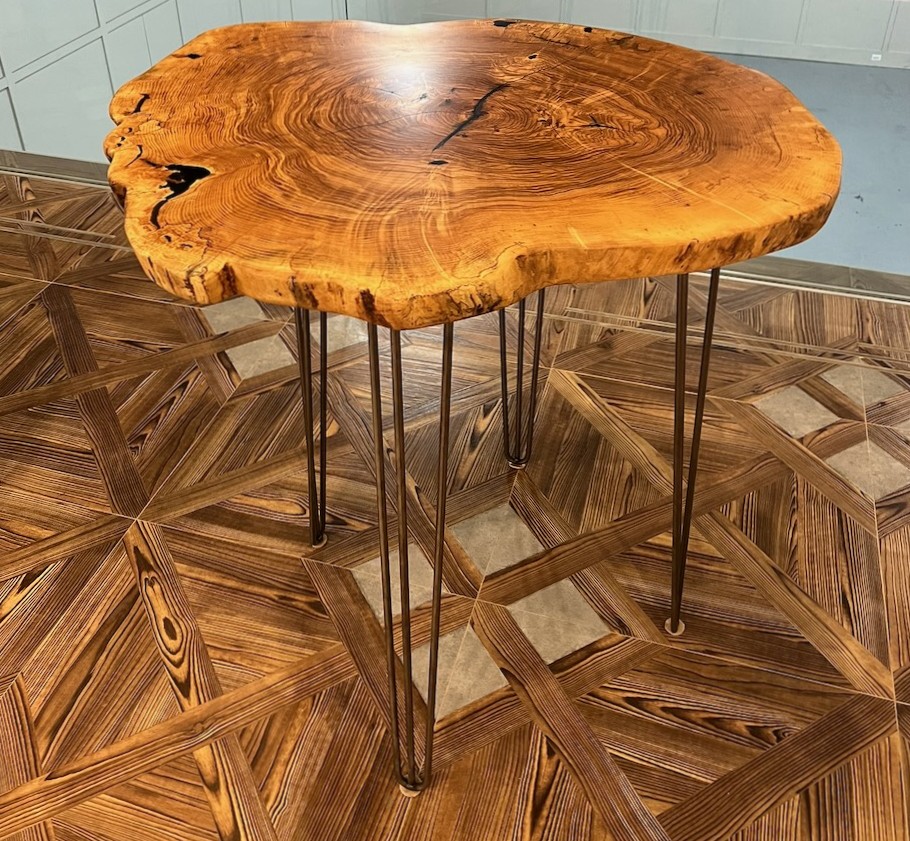
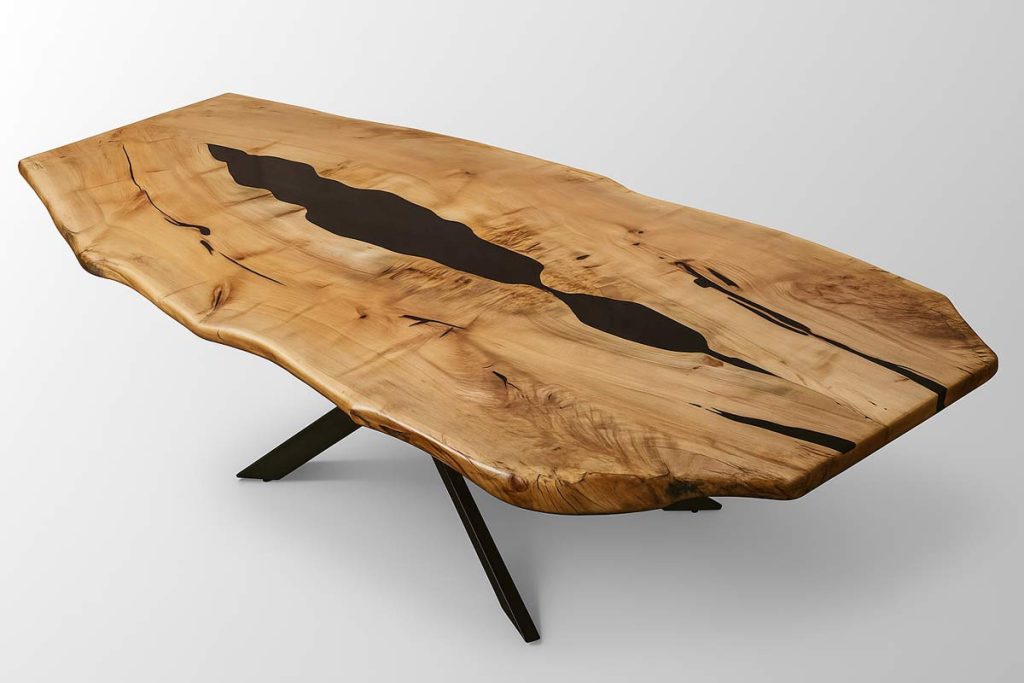
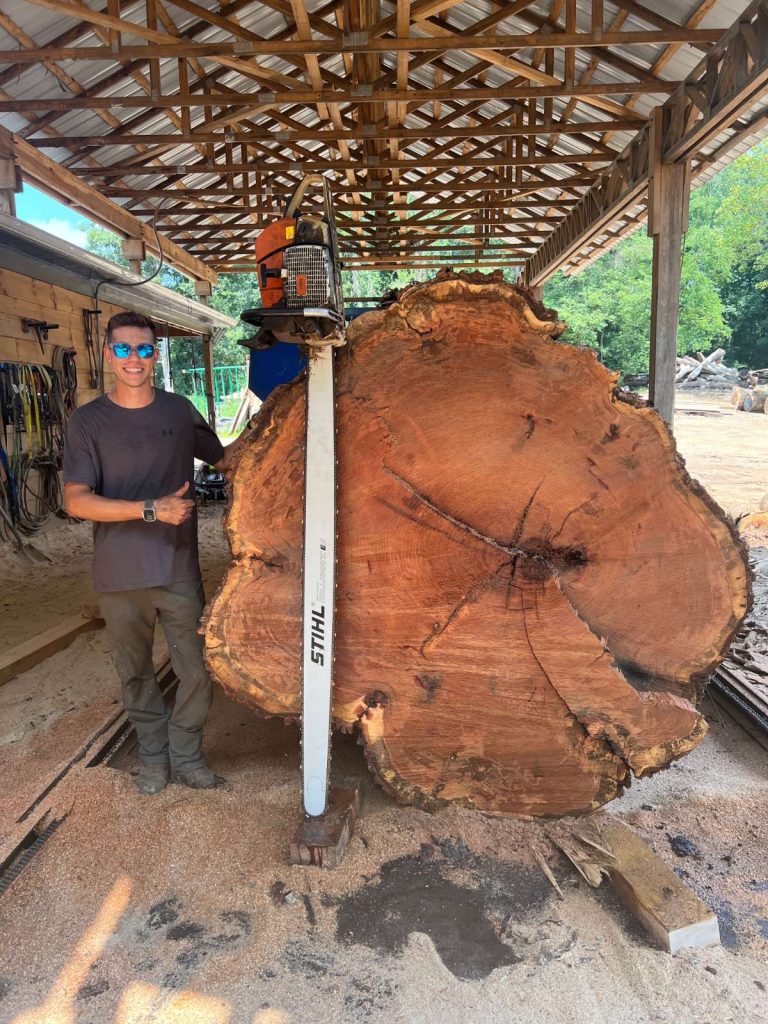
Live edge wood keeps the natural outside edge of the tree. Instead of cutting both sides into perfectly straight lines, the slab follows the original curve, shape, and character of the log.
This is what gives live edge wood its one-of-a-kind appearance. No two slabs are exactly the same. Each piece may include unique grain, knots, cracks, color variation, curves, bark lines, spalting, or natural voids.
Live edge wood is commonly used in custom furniture and artistic projects because it preserves the organic beauty of the tree. It can feel rustic, modern, refined, dramatic, or natural depending on the species, finish, base, and design.
Because live edge slabs are less uniform than dimensional lumber, they usually require more preparation. They may need to be dried, flattened, surfaced, stabilized, filled with epoxy, sanded, and finished before becoming a usable table, counter, shelf, or bar top.
What Are the Main Differences Between Dimensional Lumber and Live Edge Wood?
The biggest difference is uniformity versus natural character.
Dimensional lumber is cut to consistent sizes and is best for projects where structure, speed, and repeatability matter. Live edge wood is irregular, organic, and unique, making it better for custom furniture and statement pieces.
Dimensional lumber is ideal when the wood needs to fit a predictable layout. Live edge wood is ideal when the wood itself is meant to be part of the design.
Neither option is automatically better than the other. The right choice depends on the project.
Use dimensional lumber when you need straight, repeatable boards. Use live edge wood when you want a custom piece with natural shape, grain, and personality.
What Projects Are Best for Dimensional Lumber?
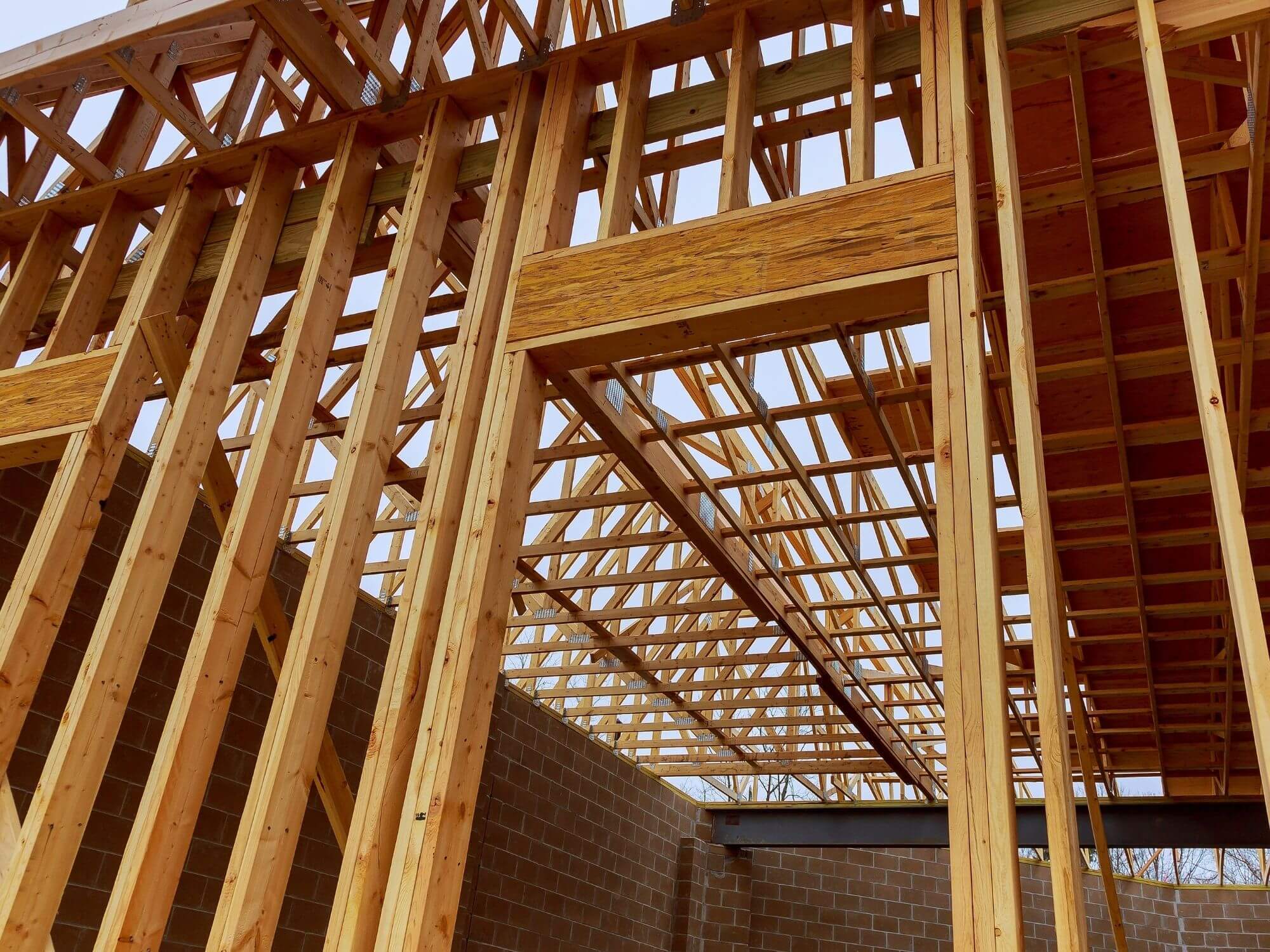
Dimensional lumber works well for projects that require consistent sizing and straightforward installation. In construction, using boards that are the same size helps ensure that walls, floors, ceilings, frames, and structures line up properly.
Dimensional lumber is also widely available, which makes it easier to buy more material if a project requires additional boards.
Common uses for dimensional lumber include:
- Wall framing
- Home renovations
- Home additions
- Storage sheds
- Yard fencing
- Post-and-beam projects
- Wood flooring
- Wood ceilings
- Wall paneling
- General construction
- Functional furniture
- Utility projects
When a project depends on speed, consistency, and structure, dimensional lumber is usually the better choice.
When Should You Use Live Edge Wood?
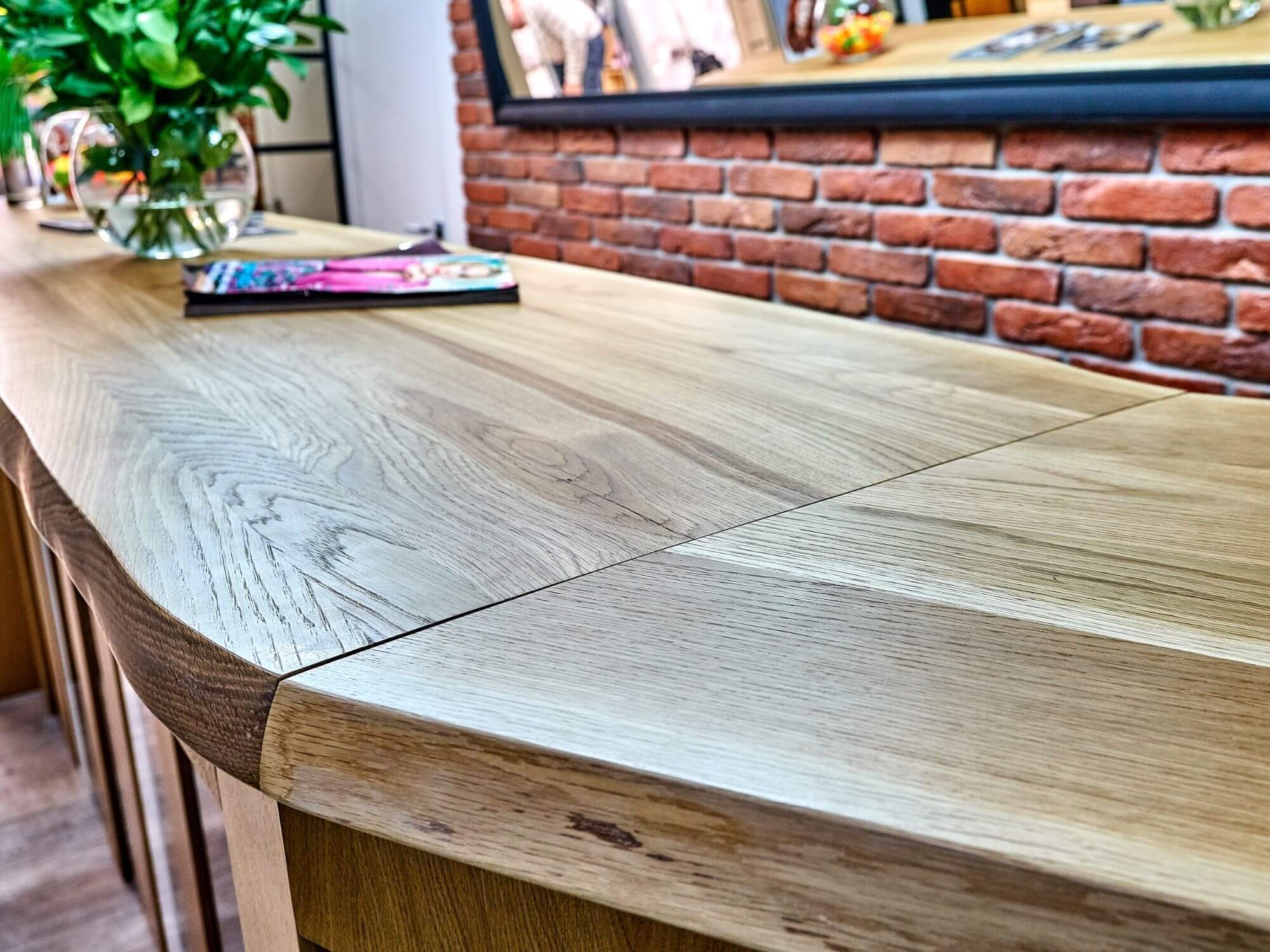
Live edge wood is best when the goal is to create something unique. While dimensional lumber is valued for being predictable, live edge wood is valued because every piece is different.
The natural edge, grain, cracks, knots, and color variation create visual interest that standard boards cannot match. Live edge wood is often chosen for pieces where the wood surface is meant to be the focal point.
Common uses for live edge wood include:
- Dining tables
- Coffee tables
- Bar tops
- Kitchen counters
- Bathroom counters
- Floating shelves
- Desks
- Benches
- Headboards
- Office furniture
- Conference tables
- Custom bookshelves
- Mantels
- Wall art
- Custom lighting features
- Artistic furniture projects
Live edge wood is especially useful when you want a custom piece that feels natural, substantial, and one of a kind.
How Challenging Is It to Work with Dimensional Lumber vs. Live Edge Wood?
Dimensional lumber is usually easier to work with because much of the processing has already been done. The boards are cut to standard sizes, dried, and planed for general use. That makes them convenient for construction and simple woodworking projects.
That said, dimensional lumber is not always perfect. Boards can still have knots, bows, twists, splits, or other imperfections. They also come in different grades, so quality can vary depending on what you buy.
Live edge wood usually takes more skill and preparation. A slab may need to be dried for a long period of time before it is ready to use. It may also need to be flattened, trimmed, stabilized, filled, sanded, and finished.
Moisture content is especially important. If a live edge slab is not properly dried, it can warp, crack, cup, or twist after the project is finished. This is why kiln drying and proper storage are so important for live edge furniture.
Which One Should You Choose?
The best choice depends on what you are building.
Choose dimensional lumber if your project needs straight boards, standard sizing, structural consistency, or quick installation. It is the practical option for framing, construction, utility builds, and projects where the wood is not meant to be the main design feature.
Choose live edge wood if your project needs natural beauty, unique character, and a custom look. It is the better choice for tables, bar tops, counters, shelves, desks, mantels, and statement furniture.
Dimensional lumber is about consistency. Live edge wood is about character.
Why Live Edge Wood Stands Out
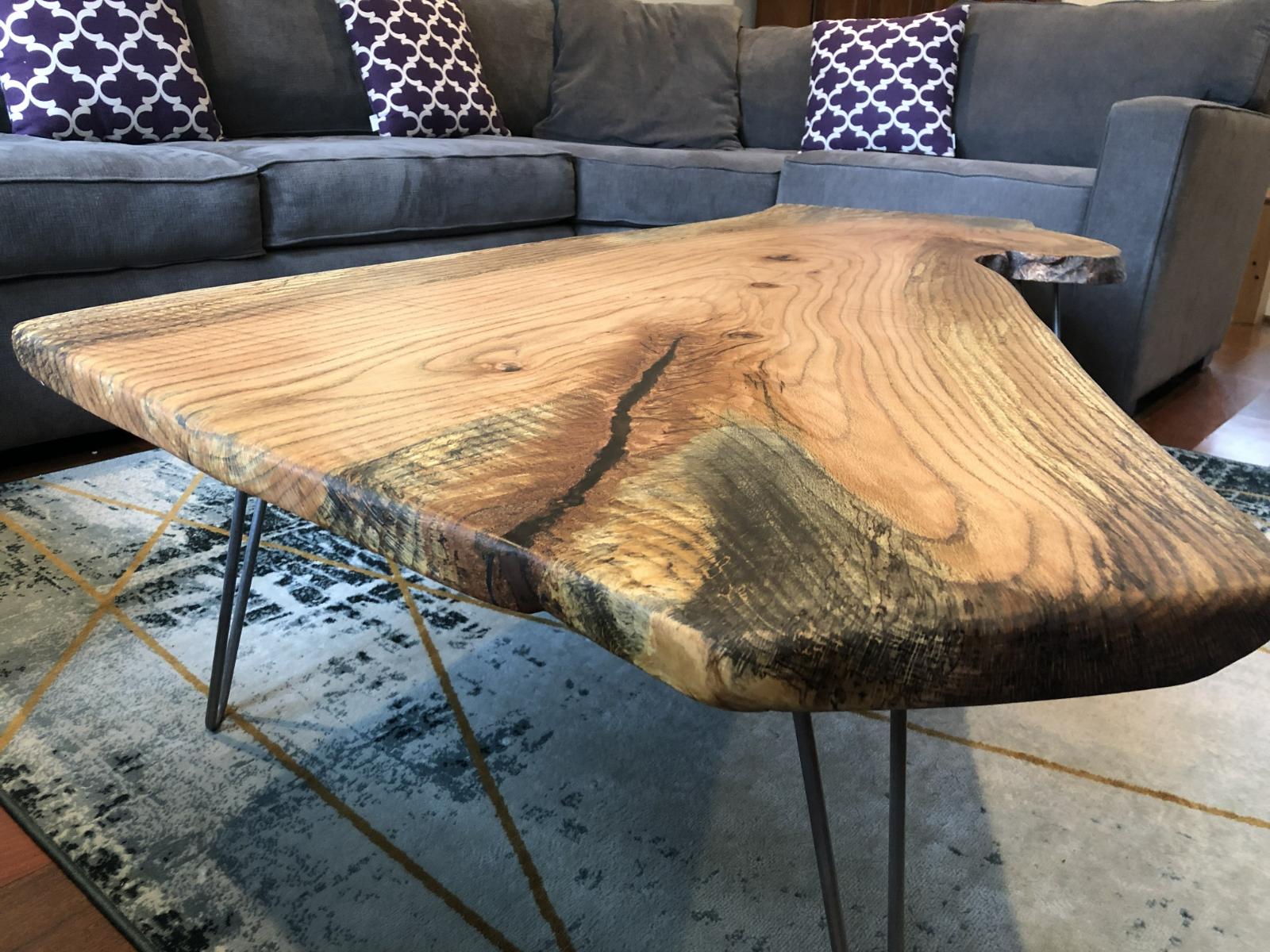
Live edge wood offers something that dimensional lumber cannot: the natural shape and story of the tree. The curves, knots, cracks, grain, and color variation all become part of the finished piece.
That character is what makes live edge furniture so appealing. A finished live edge table or bar top does not look mass-produced. It feels personal, natural, and built around the unique slab it came from.
For custom furniture, that difference matters. When you want a piece that becomes a focal point in the room, live edge wood is hard to beat.
Final Thoughts
Dimensional lumber and live edge wood are both useful, but they are made for different kinds of projects. Dimensional lumber is best for construction, structure, and uniform results. Live edge wood is best for custom furniture, artistic pieces, and projects where natural character is the main feature.
Before choosing your material, think about the purpose of the project. If you need consistency, choose dimensional lumber. If you want a one-of-a-kind table, counter, shelf, desk, or statement piece, live edge wood is the better fit.
For custom live edge tables, bar tops, desks, counters, shelves, and other natural wood projects, contact Makers Woodshop today.